It’s a moment that stops many parents in their tracks. You’re at a family gathering, and someone asks, “Isn’t she talking yet?” Your heart sinks a little. You’ve noticed it too—other kids the same age seem to be chatting away, while your toddler points, grunts, or stays mostly quiet. If you’re a parent in Punjab and you’re wondering whether your child’s silence is something to worry about, you’re not alone. Thousands of families face this exact concern every year. The good news? Early awareness is your biggest advantage. Understanding what’s typical, what’s not, and when to reach out to a child therapist in Moga can make a world of difference in your child’s development.
What’s Normal—And What’s Not—At Age 2
Before you panic, let’s look at what most speech-language experts consider typical for a 2-year-old. By their second birthday, most children can say around 50 words and are beginning to string two words together—like “more milk” or “daddy go.” They point to things they want, respond to simple instructions, and try to imitate words they hear.
If your child isn’t hitting these markers, it doesn’t automatically signal a serious problem—but it does mean it’s time to pay closer attention.
Some red flags that parents and a child therapist in Moga typically watch for include:
- No words at all by 16 months
- Fewer than 10 words by age 2
- Not following simple one-step directions
- Loss of previously learned words or skills
- Avoiding eye contact or not responding to their name
These signs don’t confirm a diagnosis—but they’re signals worth taking seriously.
Why Is My Child Not Talking? Common Causes of Speech Delay
Speech delay in toddlers has many possible causes, and understanding them helps parents move from worry to action.
Hearing Issues are one of the most common and easily missed reasons. A child who can’t hear clearly will naturally struggle to mimic sounds and words. A hearing test is often one of the first things a child therapist in Moga or pediatrician will recommend.
Developmental or Neurological Conditions such as autism spectrum disorder, global developmental delay, or childhood apraxia of speech can all affect how and when a child begins to speak. Early identification is key here—intervention that starts before age 3 tends to show much stronger outcomes.
Environmental Factors can also play a role. Children who have limited verbal interaction with caregivers, or those who are exposed to multiple languages simultaneously without consistent support, may show a temporary speech lag. This is usually resolved with the right stimulation and guidance.
Oral Motor Challenges involve the muscles used to produce speech. Some children simply need more time and targeted practice to coordinate the tongue, lips, and jaw movements required for clear speech.
What You Can Do at Home Right Now
While professional evaluation is important, there are meaningful things parents can do every single day to encourage language development.
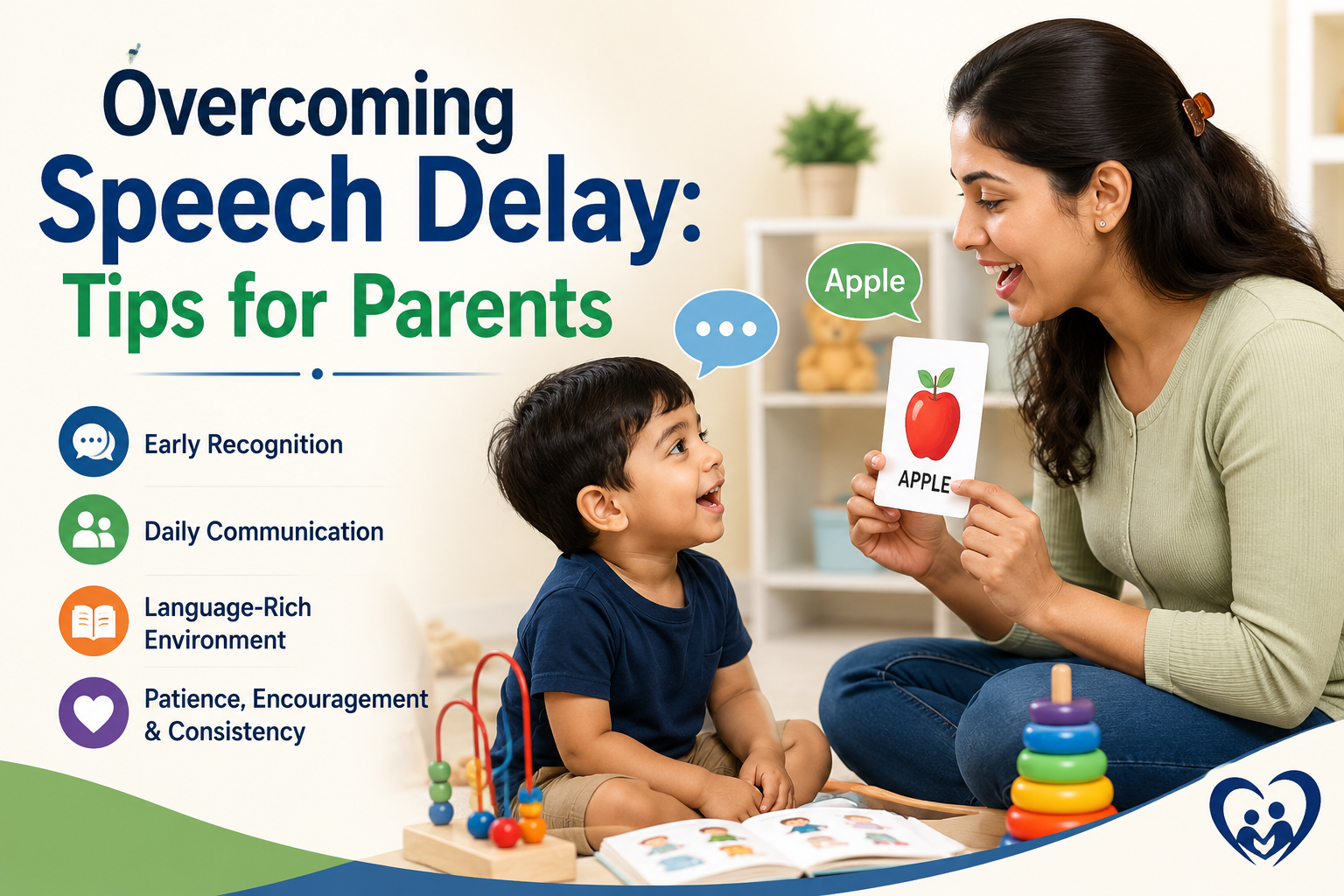
Talk constantly and narrate your world. As you go about daily routines, describe what you’re doing. “Now we’re washing hands. Soap. Water. Rub rub rub.” Repetition in context is how children absorb language.
Read together every day. Even if your child can’t yet speak, being read to builds vocabulary, phonological awareness, and attention. Point to pictures and name them clearly.
Reduce screen time and increase face-to-face interaction. Toddlers learn language from real human interaction—not from a tablet or television. Conversations that involve eye contact, facial expressions, and back-and-forth exchanges are far more effective.
Follow your child’s lead. When they point at something, name it enthusiastically. If they say “ba,” expand on it: “Ball! Yes, that’s a big red ball!” This technique, called expansion, naturally models richer language.
Avoid filling in for them too quickly. Give your child space to attempt communication before you guess what they want. Comfortable silence can actually encourage a child to try harder to express themselves.
When Is It Time to Seek Professional Help?
Many parents ask, “Should I wait a little longer to see if they catch up?” The honest answer from most professionals: don’t wait.
Research consistently shows that early intervention—ideally before age 3—leads to the best long-term outcomes for children with speech and language delays. The brain is highly plastic in these early years, meaning it responds exceptionally well to targeted support.
A qualified child therapist in Moga can conduct a thorough assessment of your child’s communication abilities, identify any underlying issues, and create a personalized therapy plan. You don’t need to have a diagnosis in hand to make an appointment. If you’re concerned, that concern alone is enough reason to act.
What Does a Speech Therapy Assessment Look Like?
Many parents feel anxious about bringing their toddler in for an evaluation. But the process is typically gentle, child-friendly, and even fun for the child.
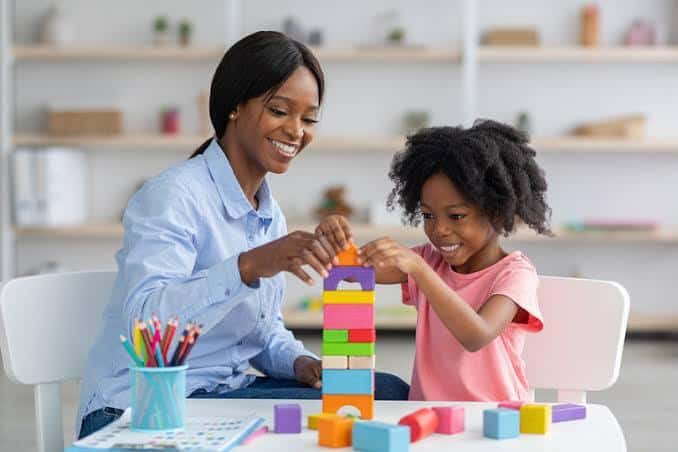
A child therapist in Moga will typically observe how your child plays, interacts, and communicates. They may use toys, picture books, or simple games to encourage natural language. They’ll assess things like:
- How many words your child uses and understands
- Whether your child makes eye contact and engages socially
- The clarity of any sounds or words produced
- How your child uses gestures, facial expressions, and pointing
Based on this, they’ll recommend whether formal speech therapy is needed and outline what that support would look like.
For families in the region, Speech therapy for child in Moga is now more accessible than ever, with dedicated professionals who understand both the clinical and cultural context of raising children in Punjab.
How Speech Therapy Actually Works for Toddlers
Parents sometimes imagine speech therapy as formal lessons. In reality, therapy for young children looks a lot like play. A skilled child therapist in Moga uses games, songs, storytelling, and interactive activities to build language in ways that feel natural and enjoyable to the child.
Sessions typically involve working on specific sounds or words, encouraging turn-taking in communication, and teaching parents strategies to reinforce learning at home. Parental involvement is often considered one of the strongest predictors of progress—the more you practice at home, the faster your child tends to improve.
Conclusion
If your 2-year-old isn’t talking yet, take a breath—and then take action. Worry alone won’t help your child, but early, professional support absolutely can. Whether the cause is a mild delay or something that needs more structured intervention, getting an evaluation sooner rather than later gives your child the best possible head start. A compassionate and experienced child therapist in Moga can guide your family with clarity, patience, and evidence-based strategies. You don’t have to figure this out alone—and you don’t have to wait until the problem grows bigger. Reach out, ask questions, and trust that supporting your child’s voice is one of the most powerful things a parent can do.