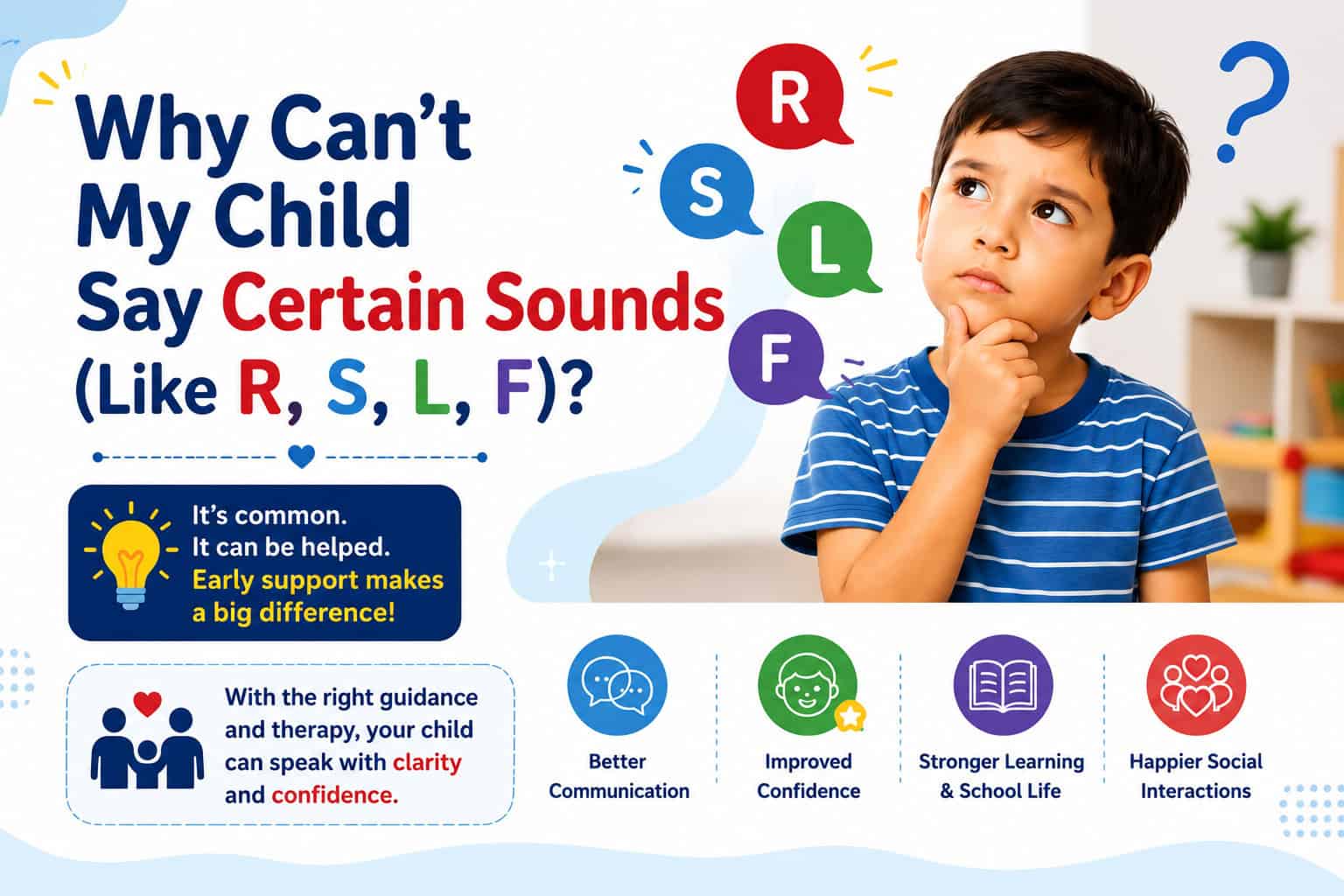
As parents, hearing your child mispronounce words can be adorable at first. However, if your child continues to struggle with sounds like R, S, L, or F beyond the expected developmental age, it may be time to look a little deeper. Speech sound difficulties are common in children, but early identification and intervention can make a significant difference.
If you’re searching for a trusted speech therapy centre in Bathinda, understanding the reasons behind speech sound errors is the first step toward helping your child communicate confidently.
Understanding Speech Sound Development
Children learn to produce speech sounds gradually as they grow. Some sounds are easier to master, while others require more precise tongue, lip, and jaw movements.
For example:
- F is usually mastered between ages 3–4.
- L often develops around 5–6 years.
- S may become clear by 6–8 years.
- R is one of the most challenging sounds and may not develop fully until 7–8 years.
If your child is significantly older than these age ranges and still struggles with these sounds, a professional evaluation may be beneficial.
Common Reasons Children Have Trouble with Certain Sounds
1. Speech Sound Disorders
Some children have difficulty producing speech sounds correctly because of articulation or phonological disorders. They may substitute one sound for another, leave sounds out, or pronounce them incorrectly.
For example:
- “Rabbit” becomes “Wabbit.”
- “Sun” becomes “Thun.”
- “Lion” becomes “Yion.”
These patterns can make speech difficult for others to understand.
2. Oral Motor Weakness
Speech requires strong coordination between the lips, tongue, cheeks, and jaw. Weakness or poor coordination of these muscles can make it difficult to produce sounds like R, L, S, and F accurately.
Speech therapists often use oral motor exercises alongside speech practice when appropriate.
3. Hearing Problems
Children learn speech by listening. Frequent ear infections or mild hearing loss can affect how children hear certain sounds, leading to pronunciation difficulties.
A hearing assessment may be recommended if speech delays are accompanied by concerns about hearing.
4. Tongue Placement Difficulties
Many speech sounds require precise tongue positioning.
For example:
- The R sound requires careful tongue shaping.
- The S sound needs controlled airflow along the tongue.
- The L sound requires the tongue tip to touch the roof of the mouth.
Children who cannot coordinate these movements may need targeted speech therapy.
5. Developmental Delays or Neurodevelopmental Conditions
Speech sound difficulties can sometimes occur alongside developmental conditions such as:
- Autism Spectrum Disorder (ASD)
- ADHD
- Developmental Language Disorder
- Learning Disabilities
In these situations, a multidisciplinary approach often provides the best outcomes. Consulting the Best Child Psychologist in Bathinda can help identify any underlying developmental or behavioral concerns while working alongside speech therapy professionals.
When Should Parents Be Concerned?
You should consider a professional evaluation if your child:
- Is difficult for unfamiliar people to understand.
- Continues to mispronounce sounds well beyond the expected age.
- Becomes frustrated while speaking.
- Avoids talking in school or social situations.
- Has trouble reading or spelling because of speech difficulties.
- Shows little improvement over several months.
Early intervention is much more effective than waiting for the child to “grow out of it.”
How Speech Therapy Helps
At a professional speech therapy centre in Bathinda, therapists begin with a detailed assessment to understand your child’s unique speech needs.
Treatment may include:
- Speech sound assessment
- Articulation therapy
- Oral motor exercises
- Tongue placement training
- Listening and auditory discrimination activities
- Home practice strategies for parents
Therapy sessions are designed to be engaging, using games, pictures, stories, and interactive activities that motivate children while improving speech clarity.
Can Parents Help at Home?
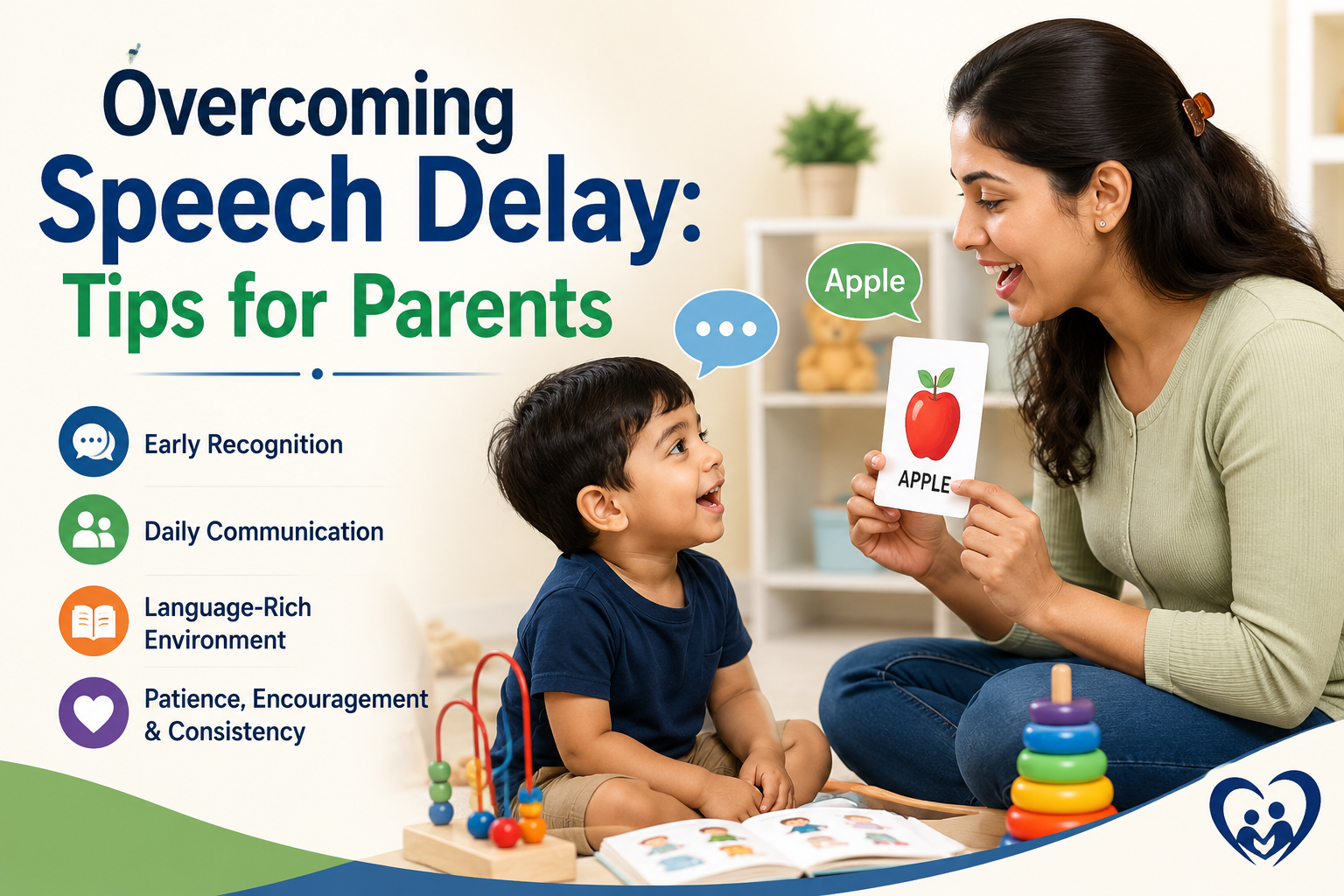
Absolutely. Parents play an important role in supporting speech development.
Here are a few helpful strategies:
- Speak clearly and model correct pronunciation.
- Read books together every day.
- Encourage conversation during daily activities.
- Avoid constantly correcting every mistake.
- Praise your child’s efforts rather than focusing only on accuracy.
- Practice exercises recommended by your speech therapist consistently.
Small amounts of daily practice often produce better results than occasional long sessions.
The Importance of Early Intervention
Many parents hope speech difficulties will disappear with time. While some pronunciation errors are part of normal development, persistent speech problems rarely improve without support.
Early therapy helps children:
- Develop clearer speech.
- Improve confidence.
- Build stronger reading and writing skills.
- Communicate more effectively at school and home.
- Reduce frustration during conversations.
The earlier therapy begins, the easier it is to establish correct speech patterns.
Supporting Your Child’s Overall Development
Speech challenges can sometimes affect confidence, friendships, classroom participation, and emotional well-being. When speech difficulties occur alongside attention, behavioral, or learning concerns, working with the Best Child Psychologist in Bathinda can provide additional support for your child’s overall development.
A collaborative approach involving parents, speech therapists, psychologists, and teachers often leads to the best long-term outcomes.
Conclusion
Every child develops at their own pace, but persistent difficulty saying sounds like R, S, L, or F shouldn’t be ignored. A professional assessment can identify the underlying cause and provide targeted support to help your child communicate more clearly and confidently.
If you’re looking for a trusted speech therapy centre in Bathinda, early intervention can make a lasting difference in your child’s speech, learning, and confidence. Combined with guidance from the Best Child Psychologist in Bathinda when needed, children receive comprehensive care that supports both communication and overall development.
By taking action today, you’re giving your child the opportunity to express themselves with confidence and succeed in every stage of life.