

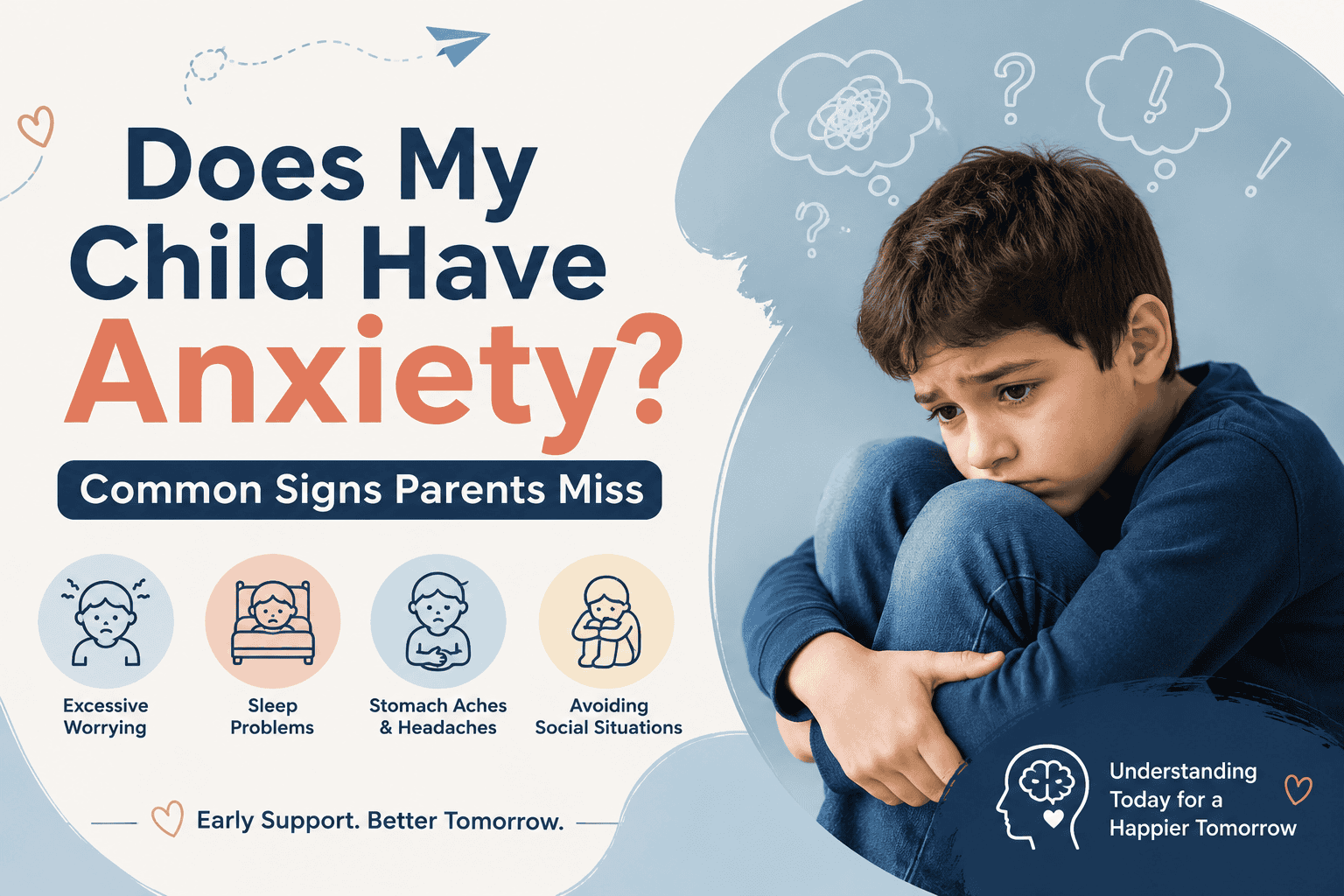
Anxiety in children rarely looks the way we expect. Most parents picture a child who worries out loud, asks a lot of “what if” questions, or clings at drop-off. Real anxiety often hides behind stomachaches, meltdowns, perfectionism, or a child who seems perfectly fine at school and falls apart the moment they get home. If you’ve ever wondered whether your child’s behavior is “just a phase” or something more, you’re not alone — and you’re asking the right question.
Here’s a closer look at the signs that often get missed, and what to do if you recognize them — including when it’s time to consult the best psychiatrist doctor in Faridkot for a proper evaluation.
Why Anxiety Is Easy to Miss in Kids
Children don’t usually have the vocabulary or self-awareness to say, “I’m anxious.” Instead, anxiety comes out sideways — through the body, through behavior, or through avoidance. A child who’s terrified of failing a test might say their stomach hurts. A child who’s afraid of being embarrassed in front of classmates might suddenly refuse to go to school and insist they “just don’t like it there.”
Because these signs look like stubbornness, illness, or a bad mood, they’re easy to dismiss or misread — even by attentive, loving parents.
Physical Signs That Aren’t “Just” Physical
Anxiety lives in the body as much as the mind, especially in children. Watch for:
- Frequent stomachaches or headaches, particularly before school, tests, or social events, with no clear medical cause
- Changes in sleep — trouble falling asleep, nightmares, or repeatedly coming into your room at night
- Appetite changes, especially a shrinking appetite around stressful times of day
- Fatigue that doesn’t match their activity level, since anxious kids often exhaust themselves worrying
- Muscle tension, jaw clenching, or nail-biting
If you’ve been to the pediatrician and physical causes have been ruled out, it’s worth considering whether stress or anxiety is the underlying driver.
Behavioral Signs Parents Often Misread
- Meltdowns that seem “out of proportion.” A meltdown over a broken pencil or a changed plan is rarely about the pencil — it’s often an anxious nervous system reaching its limit.
- Perfectionism. A child who erases their work over and over, avoids trying new things unless they’re sure they’ll succeed, or is devastated by small mistakes may be managing anxiety through control.
- Excessive reassurance-seeking. Repeatedly asking “Are you sure?” or “What if that happens?” even after you’ve answered.
- Irritability, especially after school. Many anxious kids hold it together all day and unravel the moment they’re home and feel safe enough to let go.
- Avoidance dressed up as disinterest. “I don’t want to” or “It’s boring” can be a socially acceptable way to say “I’m scared.”
- Difficulty separating, even in kids old enough that separation anxiety is assumed to have passed.
- A sudden drop in participation — a child who used to raise their hand, try out for teams, or invite friends over and now avoids all of it.
Social Signs
Anxious children sometimes look shy, but shyness and anxiety aren’t the same thing. Watch for a child who wants connection but is held back by fear — hovering at the edge of a group, going quiet in unfamiliar settings, or having big reactions to minor social slights (a friend sitting with someone else, a joke they can’t stop replaying).
The “Good Kid” Trap
One of the most overlooked patterns is the child who is anxious but high-achieving and well-behaved. These kids are often praised for being easygoing, responsible, or mature — but underneath, they may be working overtime to avoid any chance of disapproval, conflict, or failure. Because they don’t cause problems, their anxiety can go unnoticed for years.
What to Do If You Recognize These Signs
- Name it gently, without alarm. You might say, “It looks like your body gets worried sometimes — is that what’s happening?” This helps a child build language for what they’re feeling.
- Avoid over-reassuring or over-accommodating. It’s natural to want to remove every source of stress, but consistently letting a child avoid what scares them (skipping school, avoiding sleepovers) can reinforce the anxiety over time. Support them in facing manageable challenges instead of removing them.
- Keep routines predictable. Anxious kids do better with structure and advance notice of changes.
- Talk to their pediatrician. Rule out physical causes first, and ask for a referral to a child psychologist or therapist if anxiety seems likely.
- Consider a professional evaluation if signs are frequent, intense, or interfering with school, friendships, or family life — not just occasional.
When to Seek Help
Occasional worry is a normal part of childhood. It’s time to reach out to a pediatrician or child mental health professional if:
- Symptoms happen most days for several weeks or more
- They interfere with school, sleep, eating, or friendships
- Your child seems distressed even when nothing is obviously “wrong”
- Physical symptoms have no medical explanation
Anxiety in children is very treatable, especially when caught early. Recognizing the signs isn’t about labeling your child — it’s about understanding them, and giving them the tools to feel safe in their own mind.
If your child’s worry, avoidance, or physical symptoms are lasting for weeks or affecting daily life, don’t wait it out on your own. Seeking Anxiety Disorder Treatment in Faridkot from a qualified child mental health professional can make a real difference — early support helps children build coping skills before anxiety becomes a bigger obstacle. Parents in and around Faridkot looking for guidance can consult the best psychiatrist doctor in Faridkot for a thorough evaluation and a personalized treatment plan for their child.
Get Professional Support in Faridkot
If you recognize several of these signs in your child, the next right step is a professional opinion — not guesswork. For families searching for the best psychiatrist doctor in Faridkot, look for a specialist experienced in child and adolescent mental health who can properly assess your child and rule out other causes.
Comprehensive Anxiety Disorder Treatment in Faridkot typically combines parent guidance, behavioral strategies, and — when needed — therapy or medication tailored to your child’s age and symptoms. The earlier anxiety is identified and treated, the easier it is for children to build lasting coping skills.
