Every child deserves to express themselves freely, build friendships confidently, and grow without limitations. But when speech delays, autism signs, behavioral concerns, or learning difficulties arise, parents often feel confused and overwhelmed.
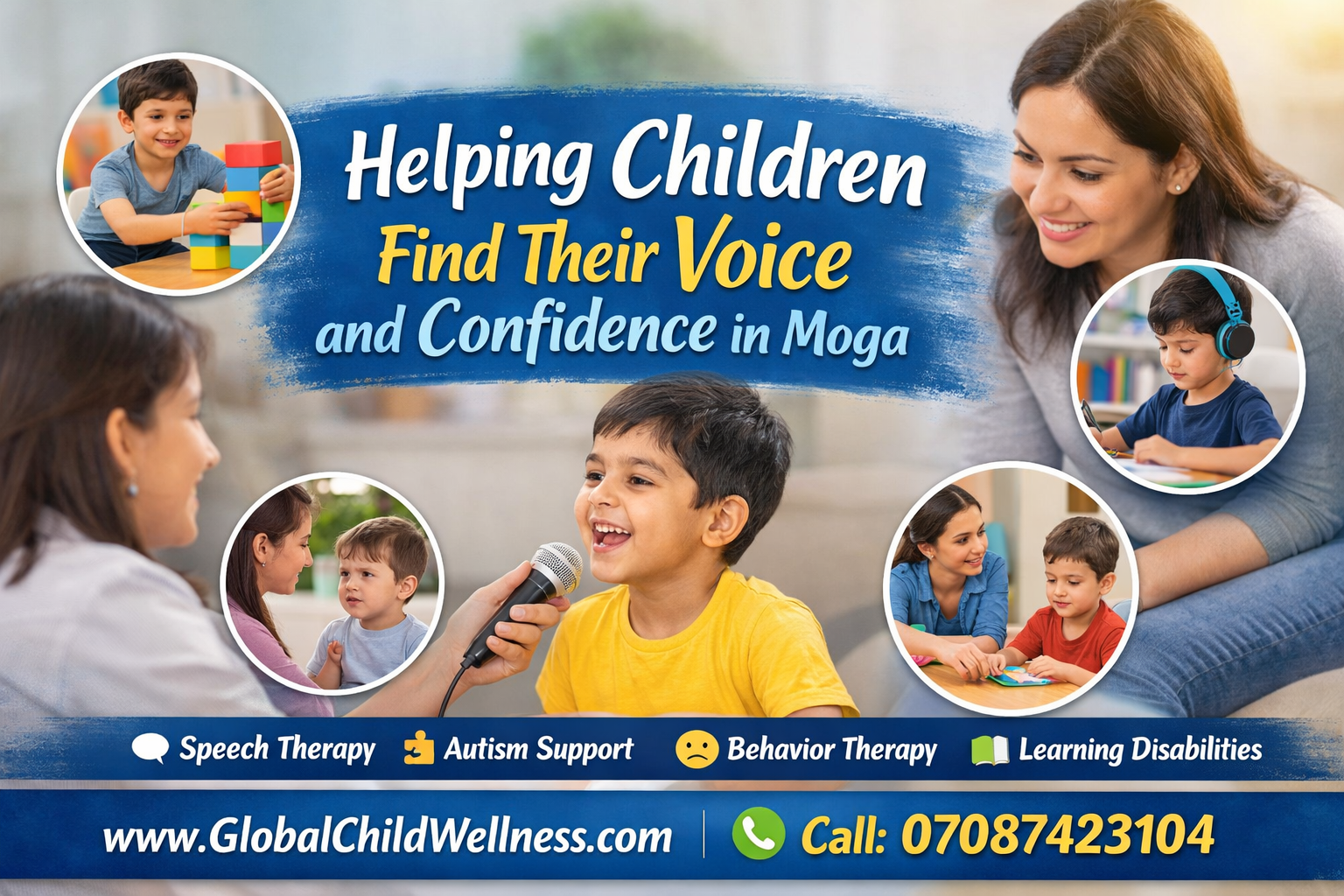
If you’re searching for professional support in Moga, early intervention can make a life-changing difference. Helping children find their voice and confidence in Moga starts with understanding their unique needs and providing structured, compassionate care.
Why Early Support Matters for Child Development
Childhood is a critical period for brain development. Communication skills, emotional regulation, learning ability, and social interaction patterns are formed during the early years. When challenges like speech delay, autism spectrum disorder, ADHD, anxiety, or learning disabilities appear, early therapy improves long-term outcomes.
Parents in Moga are increasingly recognizing the importance of child psychology and developmental therapy to ensure their children reach important milestones confidently.
Speech Therapy for Children in Moga
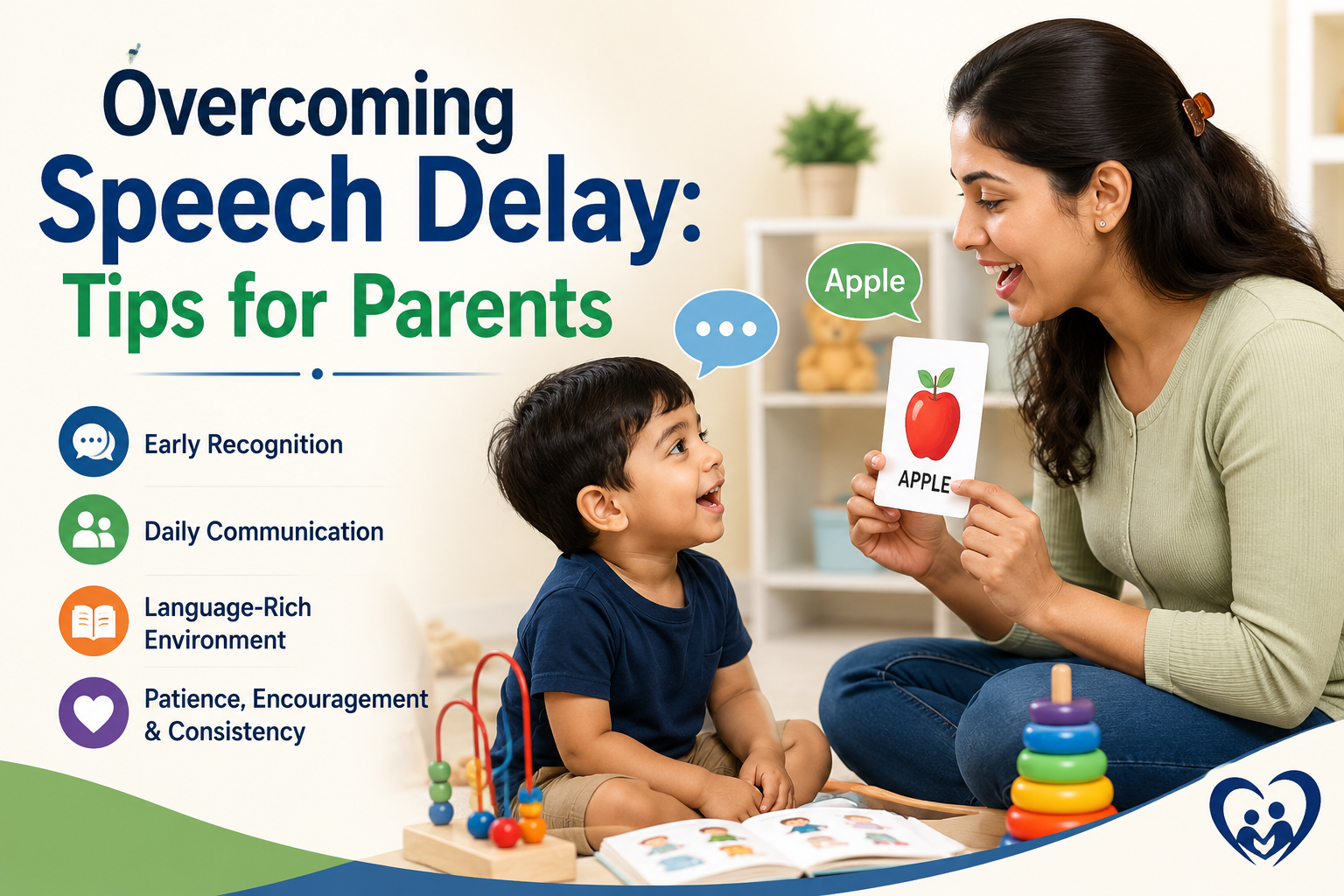
Speech delay is one of the most common developmental concerns. Some children:
- Speak fewer words than expected for their age
- Struggle to form sentences
- Have unclear pronunciation
- Avoid eye contact while communicating
- Use gestures more than words
Speech therapy for children in Moga focuses on improving:
- Vocabulary development
- Sentence structure
- Pronunciation and articulation
- Listening and comprehension skills
- Social communication abilities
With structured speech therapy sessions, children gradually build clarity, confidence, and expressive skills.
Autism Support and Therapy in Moga
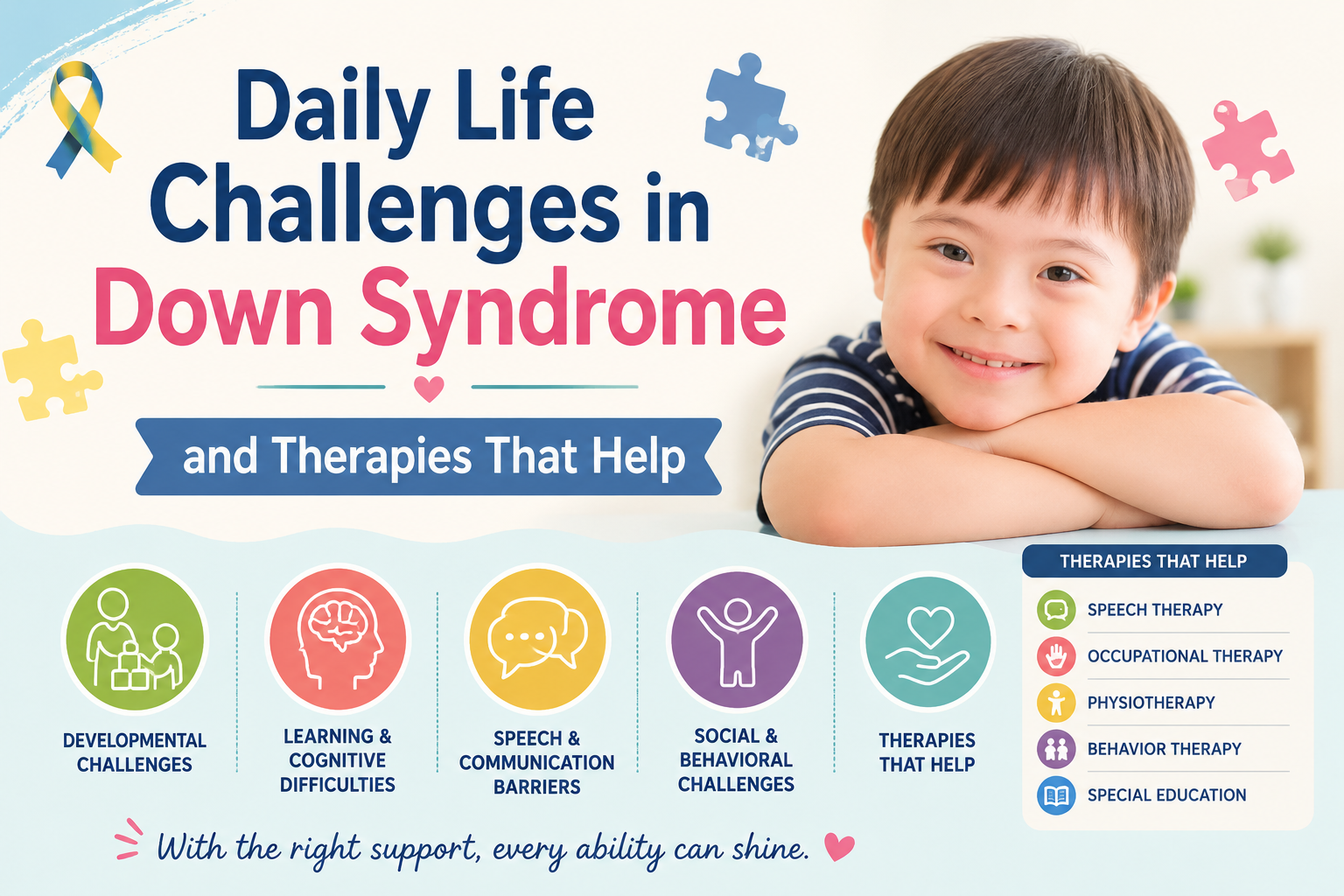
Autism Spectrum Disorder (ASD) affects communication, behavior, and social skills. Early autism therapy in Moga helps children improve:
- Social interaction
- Communication skills
- Eye contact and engagement
- Sensory processing
- Emotional regulation
Autism therapy often includes behavioral interventions, social skill training, sensory integration therapy, and structured learning approaches.
With the right support, children on the autism spectrum can develop independence and confidence.
Behavior Therapy for Children
Behavior challenges can disrupt school performance and family harmony. Some common concerns include:
- Frequent tantrums
- Aggression
- Hyperactivity
- Defiance
- Difficulty following instructions
Behavior therapy in Moga uses structured behavioral interventions to teach children positive coping strategies and self-control techniques.
ADHD Support for Better Focus and Self-Control
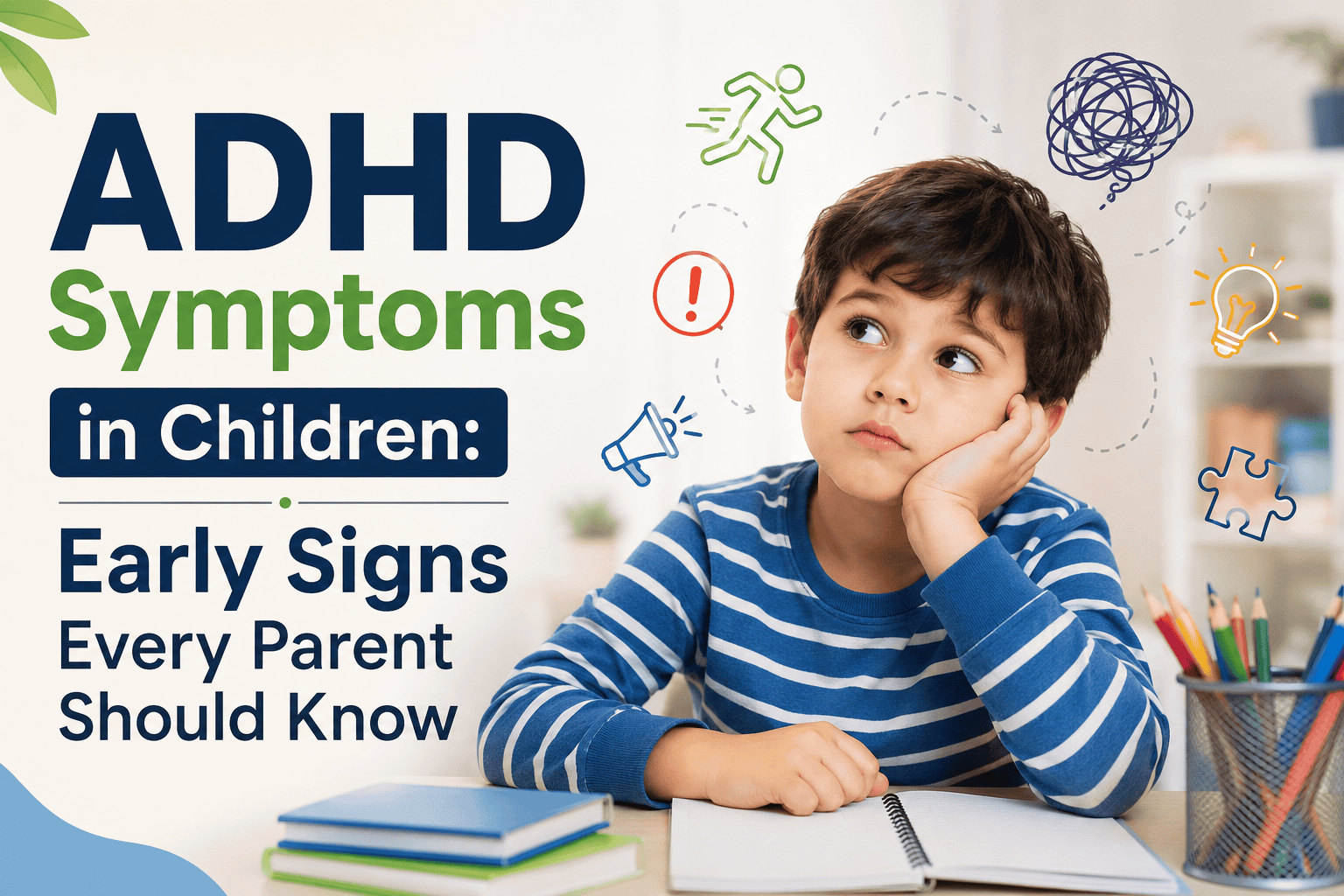
Children with ADHD may struggle with:
- Short attention span
- Impulsivity
- Restlessness
- Academic challenges
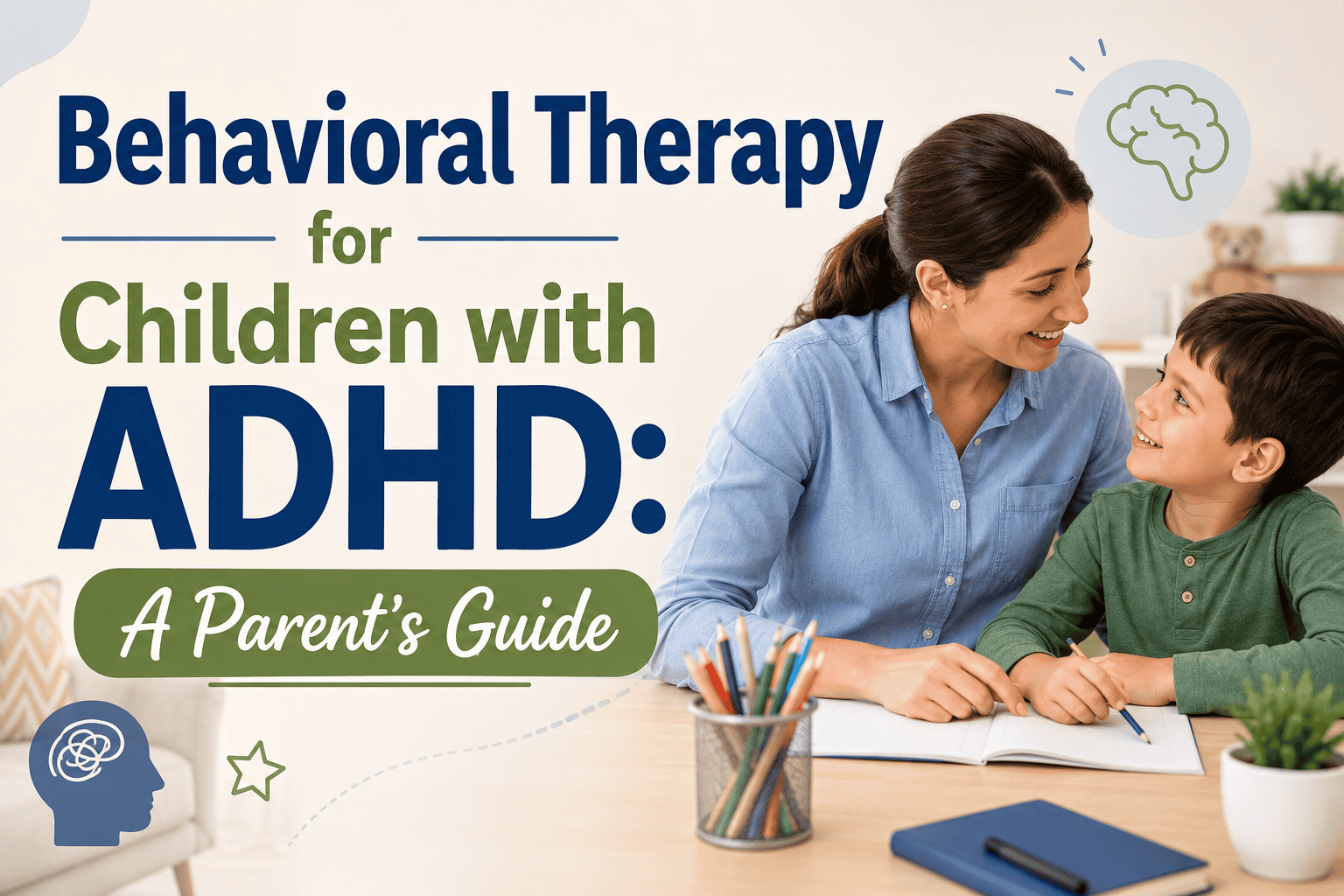
Professional ADHD therapy in Moga helps improve concentration, routine management, and classroom performance through structured behavioral programs.
Managing Anxiety and Emotional Challenges
Children may experience anxiety due to school pressure, social situations, or separation fears. Early child counselling in Moga helps children:
- Understand their emotions
- Build coping mechanisms
- Improve self-esteem
- Develop resilience
Addressing emotional challenges early prevents long-term mental health issues.
Support for Learning Disabilities
Learning disabilities such as dyslexia, dysgraphia, or math-related difficulties can affect academic progress. Specialized assessment and remedial education in Moga help children:
- Improve reading and writing skills
- Strengthen memory and processing speed
- Develop structured study techniques
- Gain academic confidence
The Role of Parents in Child Therapy
Parent involvement is one of the most important factors in successful therapy outcomes. When families actively participate in therapy sessions and apply strategies at home, children show faster progress.
Parents in Moga are encouraged to seek professional guidance early rather than waiting for problems to resolve naturally.
Building Confidence Beyond Therapy
Helping children find their voice and confidence in Moga goes beyond treating symptoms. It includes:
- Encouraging positive communication
- Celebrating small achievements
- Creating supportive home environments
- Collaborating with schools
- Providing consistent emotional reassurance
With the right support system, children can overcome developmental challenges and grow into confident individuals.
Frequently Asked Questions (FAQ)
1. How do I know if my child needs speech therapy?
If your child has limited vocabulary, unclear speech, difficulty forming sentences, or does not respond to their name consistently, it is advisable to seek a professional speech evaluation.
2. At what age should I consider autism screening?
Autism screening can begin around 18 to 24 months. Early signs such as limited eye contact, delayed speech, repetitive behaviors, or social withdrawal should be evaluated by a professional.
3. Can speech delay improve without therapy?
Some mild delays may improve naturally, but professional speech therapy significantly speeds up progress and prevents long-term communication issues.
4. How long does child therapy usually take?
The duration depends on the child’s specific condition, severity, and consistency of sessions. Some children require short-term therapy, while others benefit from long-term structured support.
5. Is ADHD treatable in children?
ADHD can be effectively managed with behavioral therapy, structured routines, and parent training. Early intervention improves academic and social outcomes.
6. Can anxiety and depression affect children?
Yes, children can experience anxiety and depressive symptoms. Early counselling helps prevent worsening mental health conditions and builds emotional resilience.
7. What are behavioral interventions?
Behavioral interventions are structured techniques that help children replace negative behaviors with positive coping skills through reinforcement strategies and routine management.