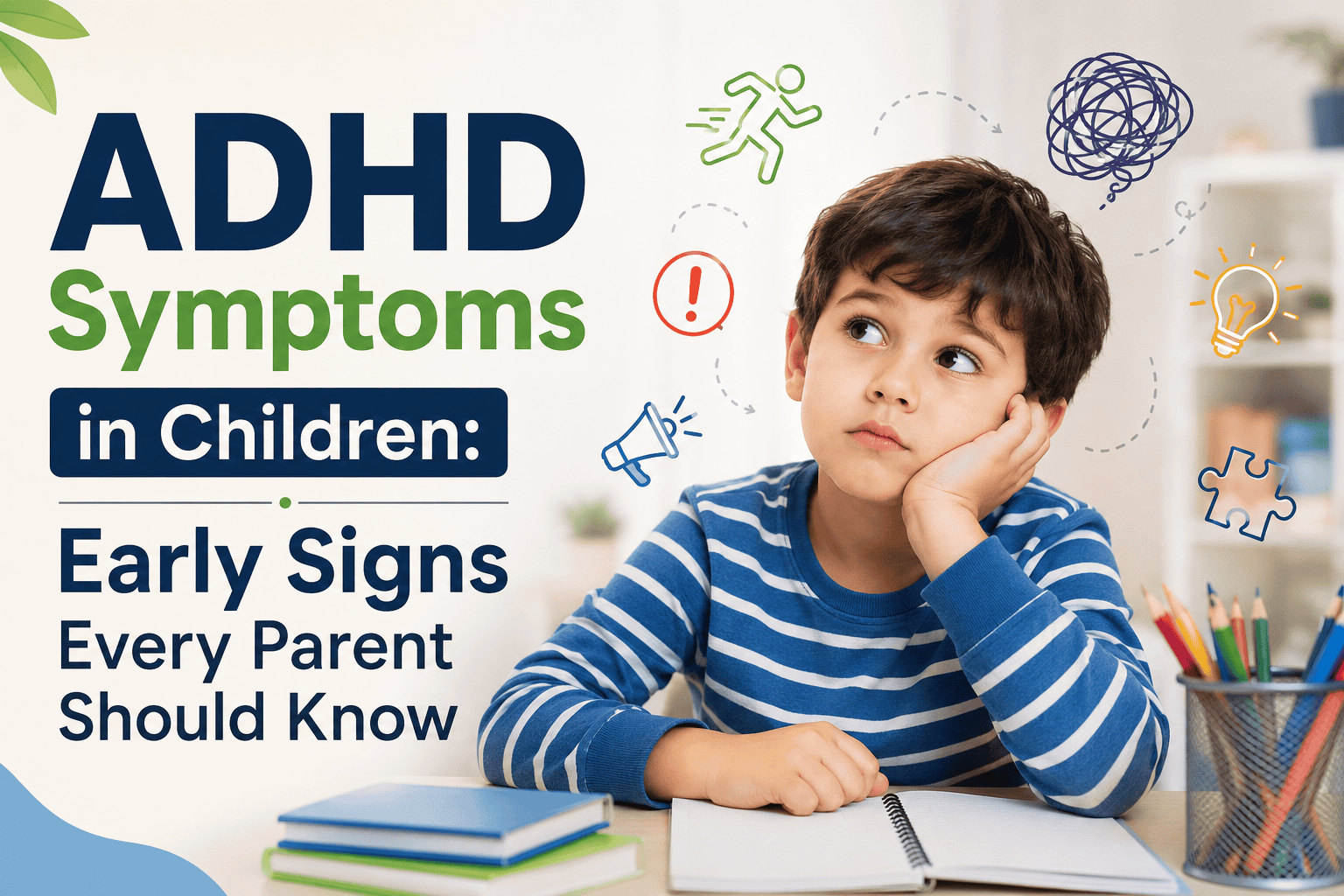
Attention-Deficit/Hyperactivity Disorder (ADHD) is one of the most common neurodevelopmental conditions affecting children. While it is normal for children to be energetic or distracted occasionally, children with ADHD experience persistent symptoms that interfere with their learning, relationships, and daily life. Recognizing the symptoms of ADHD early can help parents seek the right support and ensure their child receives appropriate intervention.
If you notice ongoing difficulties with attention, impulsive behavior, or excessive activity, seeking ADHD therapy in Amritsar can help your child develop essential skills and improve their overall quality of life.
What is ADHD?
ADHD (Attention-Deficit/Hyperactivity Disorder) is a condition that affects a child’s ability to focus, control impulses, and regulate activity levels. Symptoms usually appear before the age of 12, although they may become more noticeable when children start school.
Common ADHD Symptoms in Children
1. Difficulty Paying Attention
Children with ADHD often struggle to stay focused on tasks or activities. They may:
- Make careless mistakes in schoolwork
- Lose focus during conversations
- Forget instructions easily
- Leave tasks unfinished
- Have difficulty organizing schoolwork
2. Easily Distracted
Children may become distracted by:
- Background noises
- Small movements
- Their own thoughts
- Objects around them
Even simple tasks may become challenging because they constantly shift their attention.
3. Hyperactivity
Hyperactivity is one of the most recognizable ADHD symptoms. Children may:
- Constantly run or climb
- Fidget frequently
- Squirm in their seat
- Talk excessively
- Have difficulty sitting still
They often seem to have endless energy.
4. Impulsive Behavior
Impulsivity can affect social interactions and classroom behavior. Children may:
- Interrupt conversations
- Answer questions before they are completed
- Act without thinking
- Grab objects from others
- Struggle to wait for their turn
5. Poor Listening Skills
Although their hearing is normal, children with ADHD often appear as though they are not listening because their attention quickly shifts elsewhere.
6. Forgetfulness
They may frequently:
- Forget homework
- Misplace school supplies
- Lose toys
- Forget daily routines
- Miss important instructions
- Emotional Outbursts
Many children with ADHD have difficulty managing emotions. They may:
- Become frustrated easily
- Cry quickly
- Experience sudden mood changes
- React strongly to small problems
Professional child counselling in Amritsar can help children learn healthy emotional regulation and coping strategies.
8. Difficulty Following Instructions
Even when they understand directions, they may:
- Miss important steps
- Become distracted halfway through
- Need repeated reminders
- Leave tasks incomplete
9. Poor Time Management
Older children with ADHD often struggle to:
- Complete homework on time
- Manage assignments
- Plan activities
- Meet deadlines
10. Social Challenges
Because of impulsive behavior or difficulty understanding social cues, children with ADHD may:
- Have trouble making friends
- Interrupt games
- Argue frequently
- Experience peer rejection
Types of ADHD
Predominantly Inattentive Type
Children mainly experience:
- Poor concentration
- Forgetfulness
- Disorganization
- Easily distracted
Predominantly Hyperactive-Impulsive Type
Children mainly show:
- Constant movement
- Excessive talking
- Impulsiveness
- Difficulty waiting
Combined Type
This is the most common type and includes symptoms of both inattention and hyperactivity-impulsivity.
When Should Parents Be Concerned?
You should consult a specialist if ADHD symptoms:
- Continue for more than six months
- Occur in different settings (home and school)
- Affect academic performance
- Cause behavioral problems
- Impact friendships and family relationships
Parents looking for ADHD therapy in Amritsar should seek an evaluation as early intervention significantly improves a child’s development and long-term outcomes.
How is ADHD Diagnosed?
There is no single test for ADHD. Diagnosis typically includes:
- Detailed developmental history
- Parent interviews
- Teacher feedback
- Behavioral assessments
- Psychological evaluation
- Observation of the child’s behavior
A qualified child psychiatrist or psychologist will assess symptoms based on established diagnostic criteria.
Treatment for ADHD
Treatment is personalized based on the child’s age and symptoms.
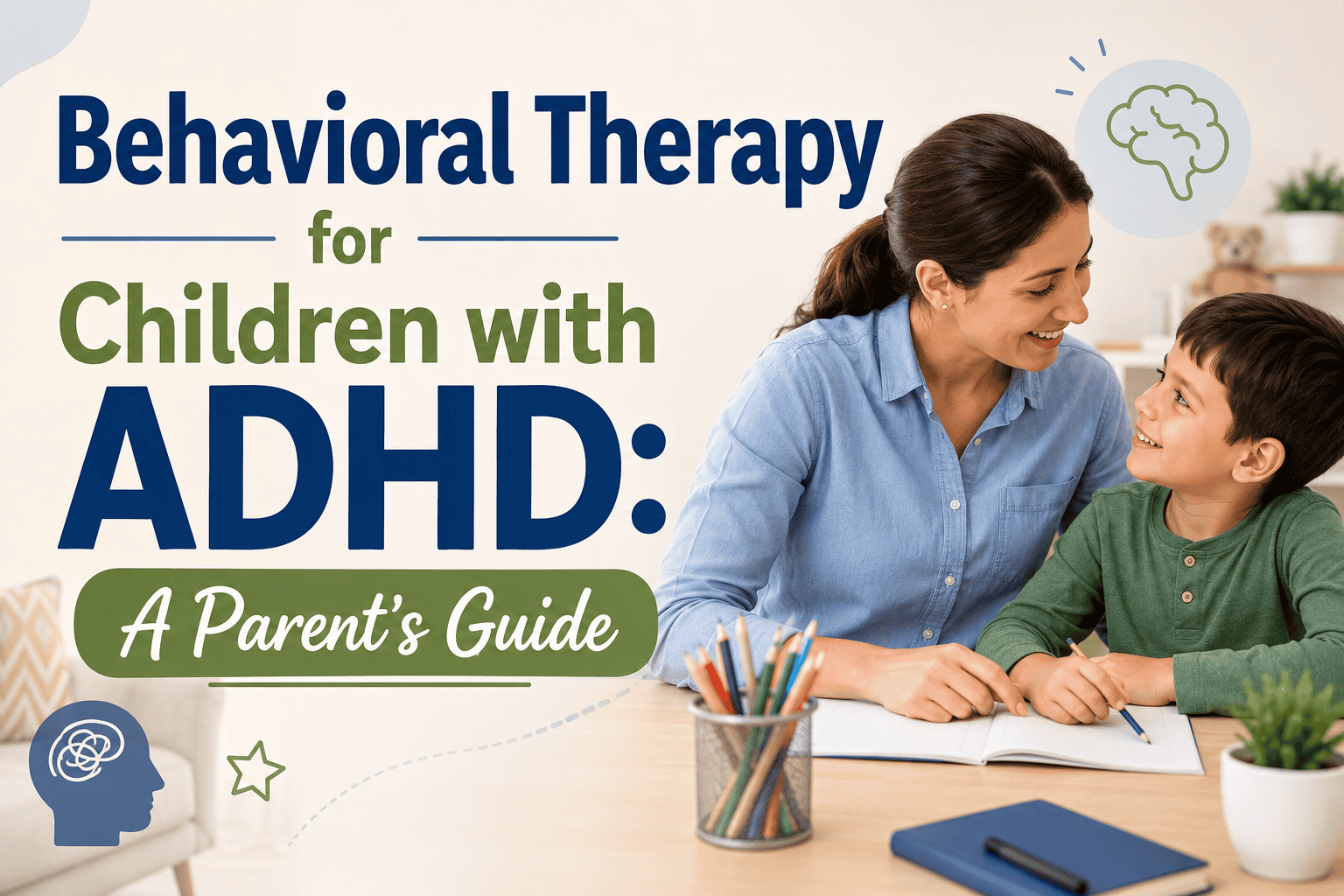
Behavioral Therapy
Behavioral therapy teaches children how to:
- Improve self-control
- Manage emotions
- Follow routines
- Develop positive behaviors
Parents also learn strategies to reinforce good behavior at home.
Child Counselling
Professional child counselling in Amritsar helps children improve emotional regulation, confidence, communication skills, and problem-solving abilities. Counseling also supports families in understanding and managing ADHD-related challenges more effectively.
ADHD Therapy
Comprehensive ADHD therapy in Amritsar often combines behavioral therapy, counseling, parent training, and school-based interventions to help children improve attention, self-control, academic performance, and social skills.
Parent Training
Parents receive practical techniques to:
- Set consistent routines
- Give effective instructions
- Encourage positive behavior
- Manage challenging situations calmly
School Support
Many children benefit from classroom accommodations, including:
- Structured schedules
- Shorter assignments
- Extra time for tasks
- Positive reinforcement
Medication
In some cases, medication may be recommended by a qualified child psychiatrist as part of a comprehensive treatment plan.
Can ADHD Improve?
Yes. With early diagnosis, ADHD therapy in Amritsar, consistent family support, child counselling, and educational accommodations, many children develop excellent coping skills and succeed academically, socially, and emotionally.
The earlier intervention begins, the better the long-term outcomes.
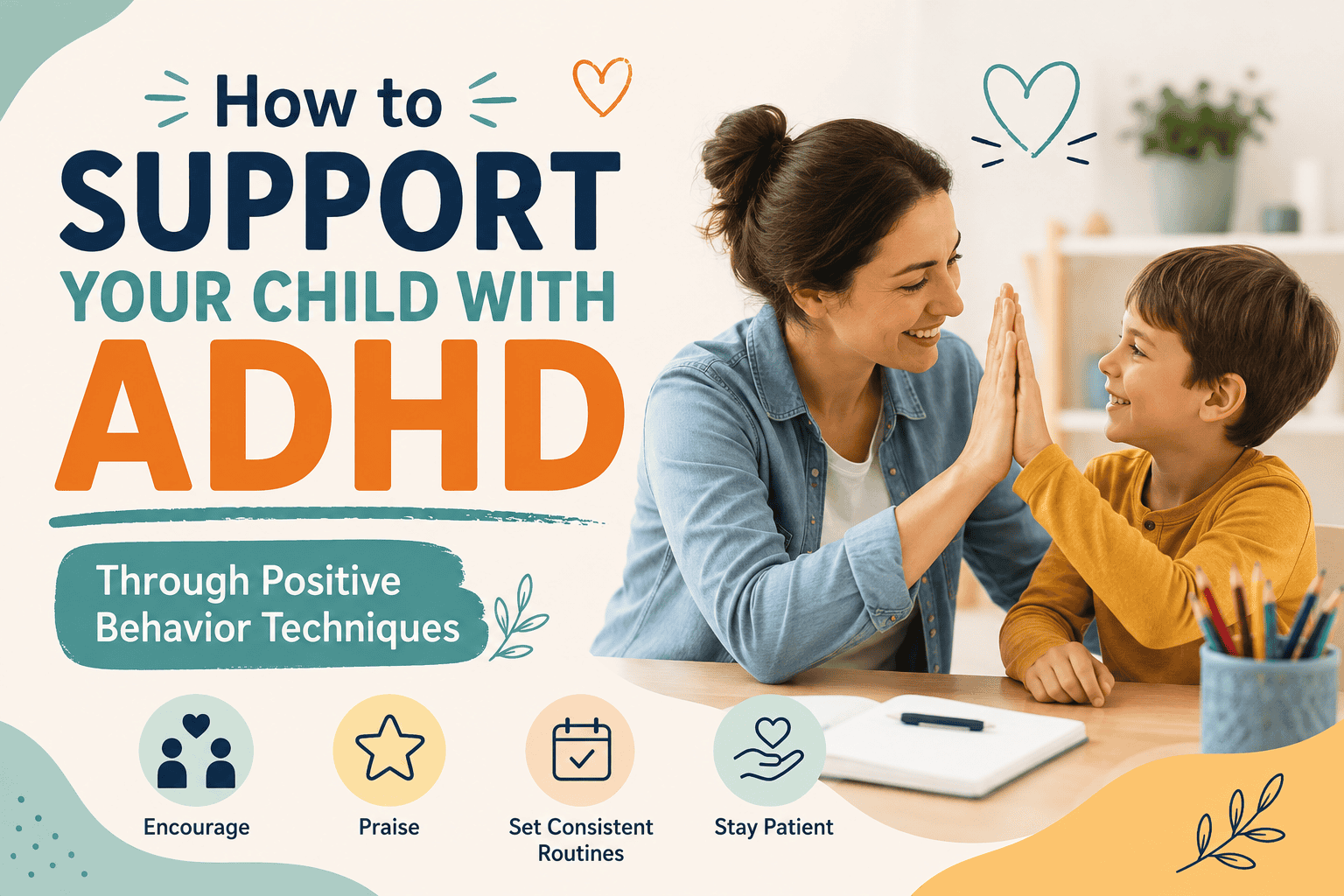
Tips for Parents
- Maintain a consistent daily routine.
- Break tasks into smaller, manageable steps.
- Praise positive behavior regularly.
- Limit distractions during homework.
- Encourage regular physical activity.
- Ensure your child gets adequate sleep.
- Work closely with teachers, therapists, and counselors.
Final Thoughts
ADHD is a manageable condition, and children with ADHD can thrive with the right guidance and support. Recognizing the early symptoms of ADHD allows parents to seek timely intervention, helping children build confidence, improve focus, and achieve their full potential. If your child shows persistent signs of inattention, hyperactivity, or impulsivity, consider seeking ADHD therapy in Amritsar along with child counselling in Amritsar to receive comprehensive, personalized care that supports your child’s emotional, behavioral, and developmental needs.
Frequently Asked Questions (FAQs)
1. What are the first signs of ADHD in children?
Early signs include difficulty paying attention, excessive activity, impulsive behavior, forgetfulness, and trouble following instructions.
2. At what age do ADHD symptoms usually appear?
Symptoms often begin before the age of 12, with many children showing signs as early as preschool.
3. Is ADHD caused by poor parenting?
No. ADHD is a neurodevelopmental condition and is not caused by parenting style or lack of discipline.
4. Can ADHD be treated without medication?
Yes. Many children benefit from behavioral therapy, ADHD therapy in Amritsar, child counselling in Amritsar, parent training, and school support. Medication may also be recommended when appropriate.
5. Can children with ADHD perform well in school?
Absolutely. With early diagnosis, proper therapy, counseling, supportive teachers, and consistent parental guidance, children with ADHD can succeed academically and socially.
6. When should I seek professional help?
If your child’s symptoms persist for more than six months and interfere with learning, relationships, or daily activities, consult a child psychiatrist or psychologist. Early ADHD therapy in Amritsar and child counselling in Amritsar can make a significant difference in your child’s development.