Every child develops differently, and children with Autism Spectrum Disorder (ASD) often grow at their own unique pace. Parents may sometimes wonder whether therapy and support are helping their child improve. The encouraging reality is that many children begin showing meaningful progress with early intervention, consistent care, and the right therapeutic approach.
Progress may appear in communication, emotional understanding, learning ability, social interaction, or daily routines. Even small improvements can make a big difference in a child’s confidence and quality of life. Understanding these positive signs can help parents feel motivated and hopeful throughout the journey.
Improved Response to People Around Them
One of the first noticeable signs of improvement is when a child becomes more aware and responsive to others. They may begin:
- Responding when their name is called
- Paying attention during conversations
- Listening to instructions more carefully
- Showing interest in family activities
These changes often indicate better understanding and social awareness.
Growth in Communication Skills
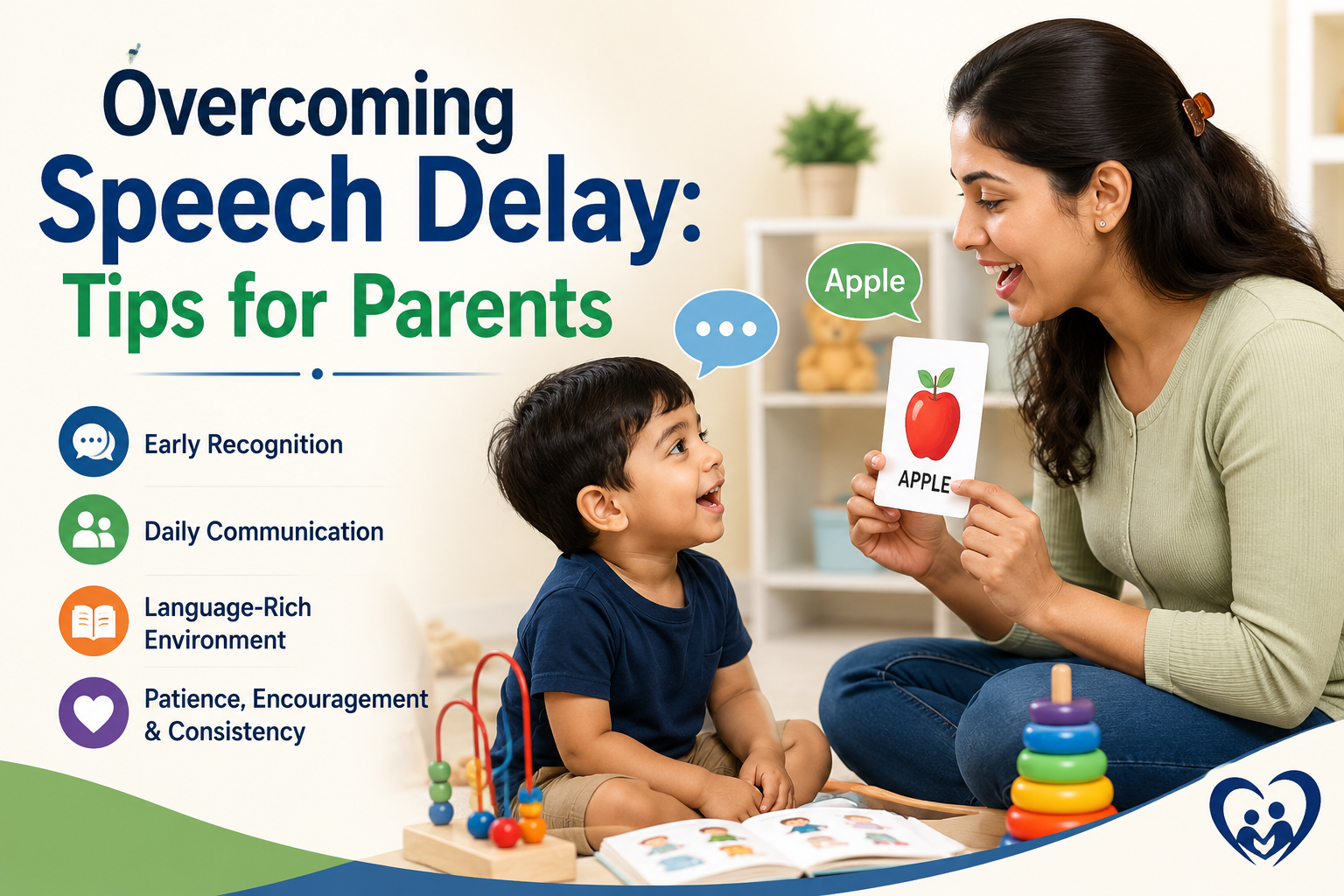
Communication development is a major milestone for children with autism. Over time, children may begin expressing themselves more effectively through words, gestures, or facial expressions.
Positive signs may include:
- Speaking more clearly
- Learning new words
- Asking for things independently
- Understanding simple instructions
- Using eye contact while communicating
Speech and communication therapies can greatly support language development and confidence.
Better Social Interaction
Children who are progressing often become more comfortable around other people. Parents may notice that their child:
- Plays with siblings or classmates
- Smiles more during interactions
- Participates in group activities
- Shows curiosity toward others
- Enjoys spending time with family
These social improvements are important indicators of emotional and behavioral growth.
Reduced Meltdowns and Frustration
Many children with autism struggle with emotional regulation, sensory overload, or sudden changes in routine. With therapy and guidance, children may gradually learn how to manage emotions better.
Signs of improvement include:
- Fewer tantrums or meltdowns
- Better patience
- Calmer reactions in stressful situations
- Easier adjustment to changes
- Improved self-control
Behavioral and occupational therapies often help children manage emotions more effectively.
Increased Focus and Learning Ability
Another positive sign is improved concentration and interest in learning activities. Children may begin:
- Sitting longer during tasks
- Completing simple activities independently
- Following instructions more accurately
- Showing curiosity in educational games
- Participating actively during therapy sessions
Improved focus supports both academic and personal development.
Greater Independence in Daily Activities
As children grow and improve, they may become more independent in their daily routines. Parents may notice progress in:
- Eating independently
- Dressing without assistance
- Organizing toys or belongings
- Following bedtime routines
- Managing personal hygiene tasks
These milestones help children develop confidence and essential life skills.
Better Sensory Management
Children with autism may experience sensitivity to sounds, lights, textures, or crowded environments. Positive progress may include:
- Staying calm in noisy places
- Better tolerance for certain foods or clothing
- Reduced sensory discomfort
- Improved ability to handle busy environments
Sensory integration support can help children feel more comfortable in everyday situations.
More Creativity and Playfulness
Play is an important part of childhood development. A child who is improving may begin:
- Engaging in imaginative play
- Enjoying drawing, music, or storytelling
- Playing interactive games
- Sharing toys with others
- Participating in outdoor activities
Creative play helps improve emotional expression and social skills.
Stronger Emotional Connection with Family
One of the most heartwarming signs for parents is when children show stronger emotional bonding. They may begin:
- Hugging parents or siblings
- Seeking comfort during difficult moments
- Expressing happiness openly
- Showing affection more naturally
These emotional connections often reflect growing trust and understanding.
Why Early Support Matters
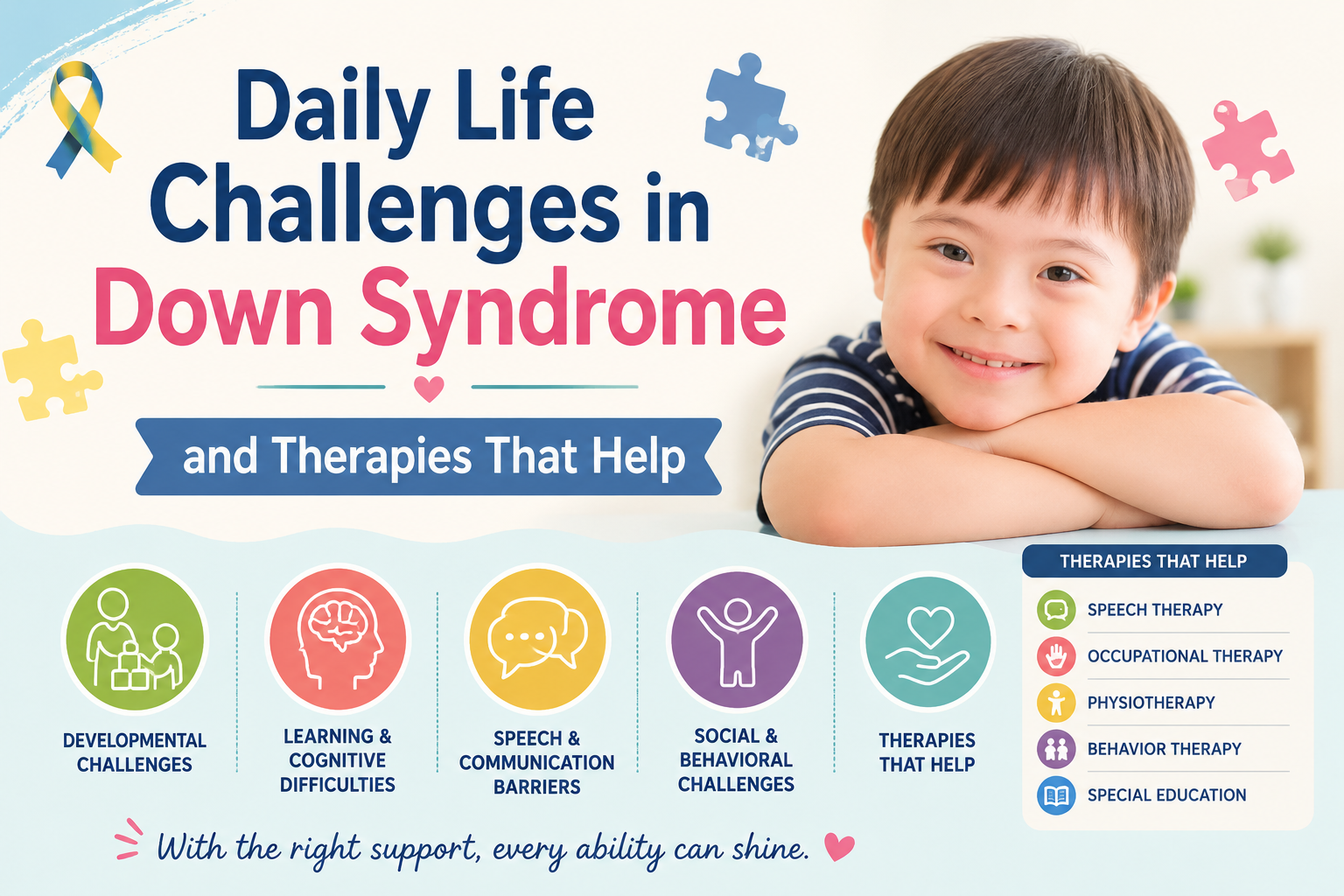
Early intervention and consistent therapy can play a significant role in helping children improve communication, learning, emotional control, and social interaction. Every child progresses differently, and patience is essential throughout the process.
Professional therapies may include:
- Occupational Therapy
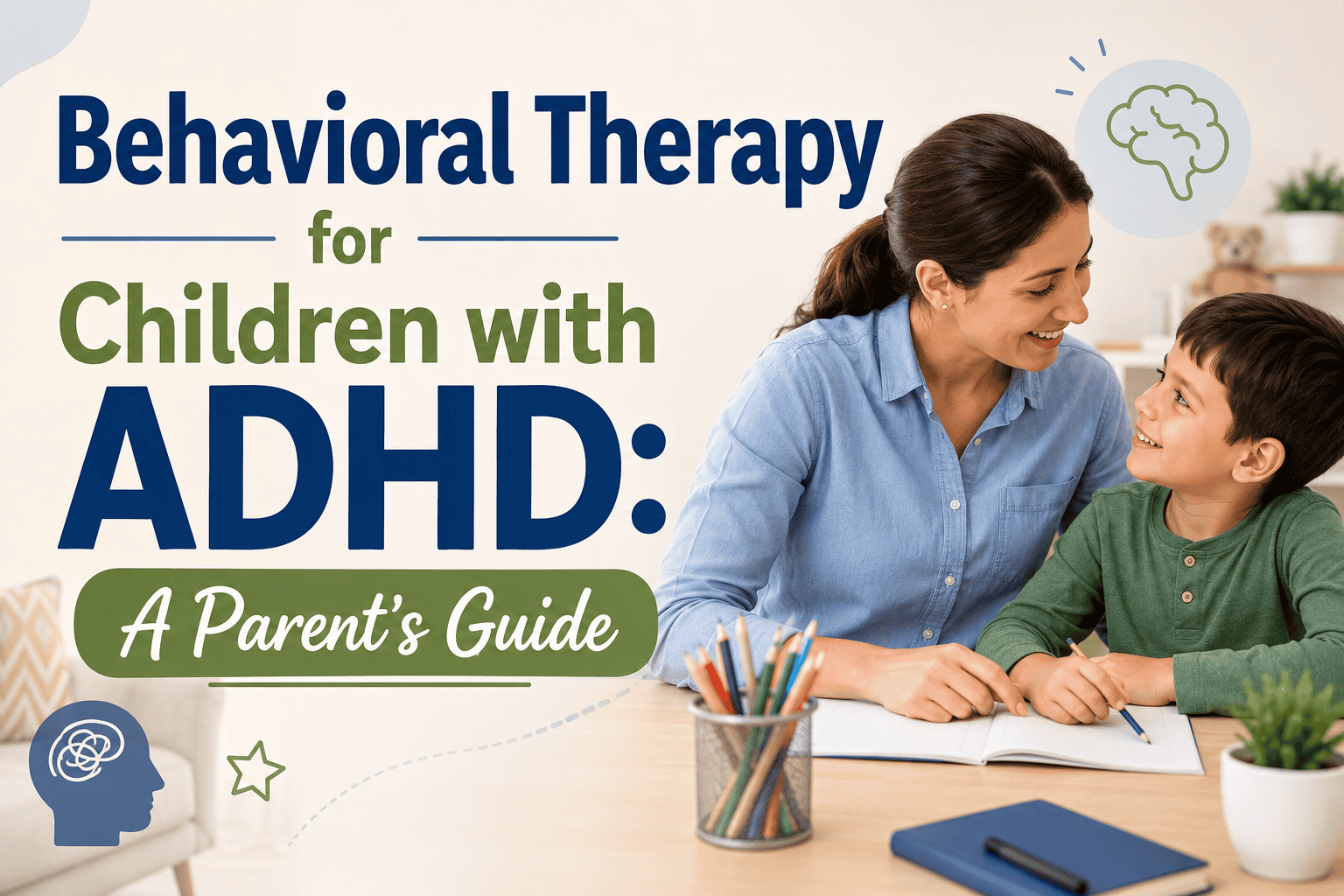
- Behavioral Therapy
- Sensory Integration Therapy
- Early Intervention Programs
- Special Education Support
Frequently Asked Questions (FAQs)
How can I tell if my child with autism is improving?
Children with autism may show improvement through better communication, eye contact, social interaction, emotional control, learning ability, and daily life skills. Even small positive changes can be meaningful signs of progress.
Can autism symptoms improve with therapy?
Yes, many children show significant improvement with early intervention, structured therapies, and consistent support. Autism treatment can help children develop communication, behavioral, sensory, and social skills.
What therapies are helpful for children with autism?
Common therapies include:
- Speech Therapy
- Occupational Therapy
- Behavioral Therapy
- Sensory Integration Therapy
- Early Intervention Programs
- Special Education Support
The right therapy plan depends on the child’s individual needs.
At what age should autism therapy begin?
Early intervention is highly recommended. Starting therapy at a young age can improve communication, learning, social interaction, and overall developmental progress.
Can children with autism become independent?
Many children with autism learn important daily living skills and become more independent over time. Therapy, family support, and structured learning can help children build confidence and self-care abilities.
How does speech therapy help children with autism?
Speech therapy helps children improve communication skills, language understanding, pronunciation, social interaction, and the ability to express needs and emotions effectively.
What are common signs of autism progress?
Some common positive signs include:
- Better eye contact
- Improved speech
- Reduced meltdowns
- Increased social interaction
- Better emotional regulation
- Improved focus and learning abilities
Where can parents find autism treatment in Ludhiana?
Parents looking for professional Autism Therapy in Ludhiana and child development support can visit Global Child Wellness Center Ludhiana for personalized therapy programs and expert guidance.
Final Thoughts
Progress in autism may happen gradually, but every small achievement matters. Improved communication, emotional connection, learning ability, and independence are all meaningful signs that a child is growing and developing positively.
With the right support, therapies, and encouragement, children with autism can continue building important life skills and reach their full potential.