Communication is one of the most important skills a child develops during their early years. From saying their first words to expressing thoughts and emotions, speech and language skills play a crucial role in a child’s overall growth. However, not every child develops these skills at the same pace. While slight variations are normal, persistent difficulties in communication may indicate a need for professional support.
Many parents assume their child will eventually “grow out of” speech-related challenges. In some cases, this may be true, but delaying intervention can also affect a child’s confidence, academic performance, and social development. Understanding the warning signs early can make a significant difference in your child’s future. If you have concerns about your child’s communication abilities, learning about the benefits of speech therapy in Amritsar can help you make informed decisions and provide the support your child needs at the right time.
Why Speech Development Matters
Speech and language skills are essential for learning, building relationships, and expressing needs effectively. Children use communication to interact with family members, make friends, and participate in classroom activities. When speech difficulties go unnoticed or untreated, they can create barriers in multiple areas of life.
Early intervention allows children to develop stronger communication skills before these challenges become more complex. The earlier a problem is identified, the better the chances of achieving positive outcomes.
10 Warning Signs Your Child May Need Speech Therapy
1. Delayed First Words
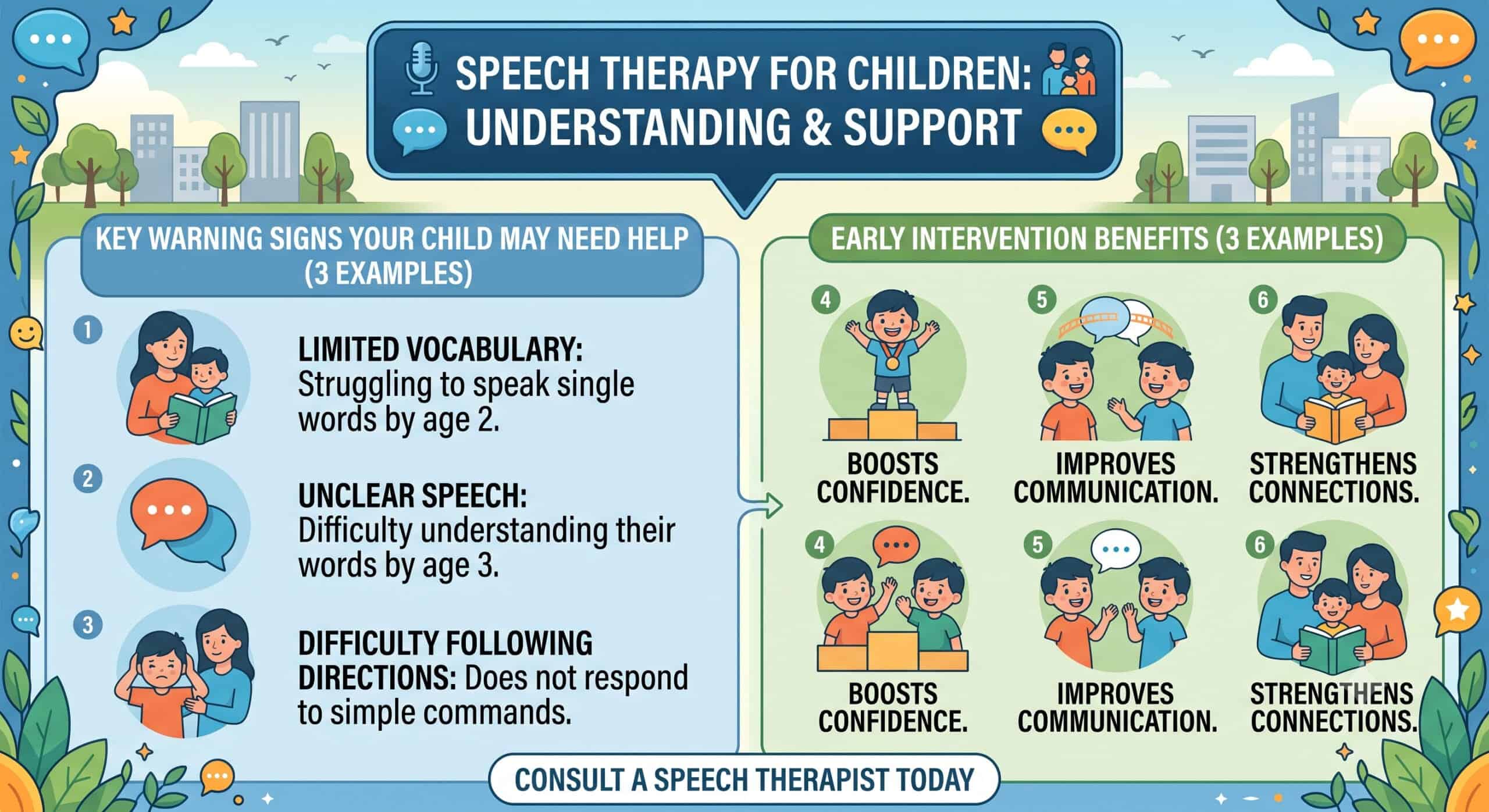
Most children begin speaking simple words around their first birthday. If your child is significantly behind expected milestones and is not attempting to communicate verbally, it may be time for an evaluation.
2. Difficulty Understanding Instructions
Children should gradually learn to follow age-appropriate instructions. If your child frequently struggles to understand simple directions, it could indicate a language processing difficulty.
3. Limited Vocabulary for Their Age
A child’s vocabulary should expand steadily as they grow. If your child uses fewer words than peers of the same age, professional assessment may be beneficial.
4. Trouble Pronouncing Words Clearly
Some speech errors are normal during development, but persistent difficulties with pronunciation can affect communication and confidence.
5. Stuttering or Repeating Sounds Frequently
Occasional repetition is common when children are learning language. However, frequent stuttering, prolonged sounds, or visible frustration while speaking should not be ignored.
6. Difficulty Forming Sentences
Children should gradually progress from single words to complete sentences. Consistent struggles with sentence formation may indicate language development concerns.
7. Lack of Social Communication Skills
Communication is more than speaking. Children who avoid eye contact, struggle with conversations, or have difficulty understanding social cues may benefit from speech and language support.
8. Frustration During Communication
If your child becomes upset when trying to express thoughts or needs, it may be because they are experiencing communication challenges that require attention.
9. Academic Challenges Related to Language
Speech and language difficulties often impact reading, writing, and classroom participation. Early intervention can help reduce these challenges before they affect long-term academic success.
10. Regression in Speech Skills
If a child loses previously acquired speech or language abilities, professional assessment should be sought immediately. Regression can sometimes indicate underlying developmental concerns.
How Early Intervention Changes a Child’s Future
One of the biggest advantages of early intervention is that children’s brains are highly adaptable during their developmental years. This flexibility allows them to learn new skills more effectively when support is introduced early.
Children who receive timely therapy often develop stronger communication abilities, improved social interactions, and greater self-confidence. They are also better equipped to succeed academically and participate fully in daily activities.
Research consistently shows that addressing communication difficulties during the early years leads to better long-term outcomes compared to waiting until problems become more severe.
The Role of Speech Therapy in Child Development
Speech therapy focuses on helping children improve communication skills in ways that are personalized to their individual needs. Therapy sessions may target speech clarity, language development, social communication, fluency, and understanding of language concepts.
A speech therapist works closely with both the child and family to create achievable goals. Through structured activities, play-based learning, and evidence-based techniques, children can gradually build the skills necessary for effective communication.
Parents also play a vital role in reinforcing these skills at home, creating an environment where communication can flourish naturally.
Speech Challenges Often Linked with Other Conditions
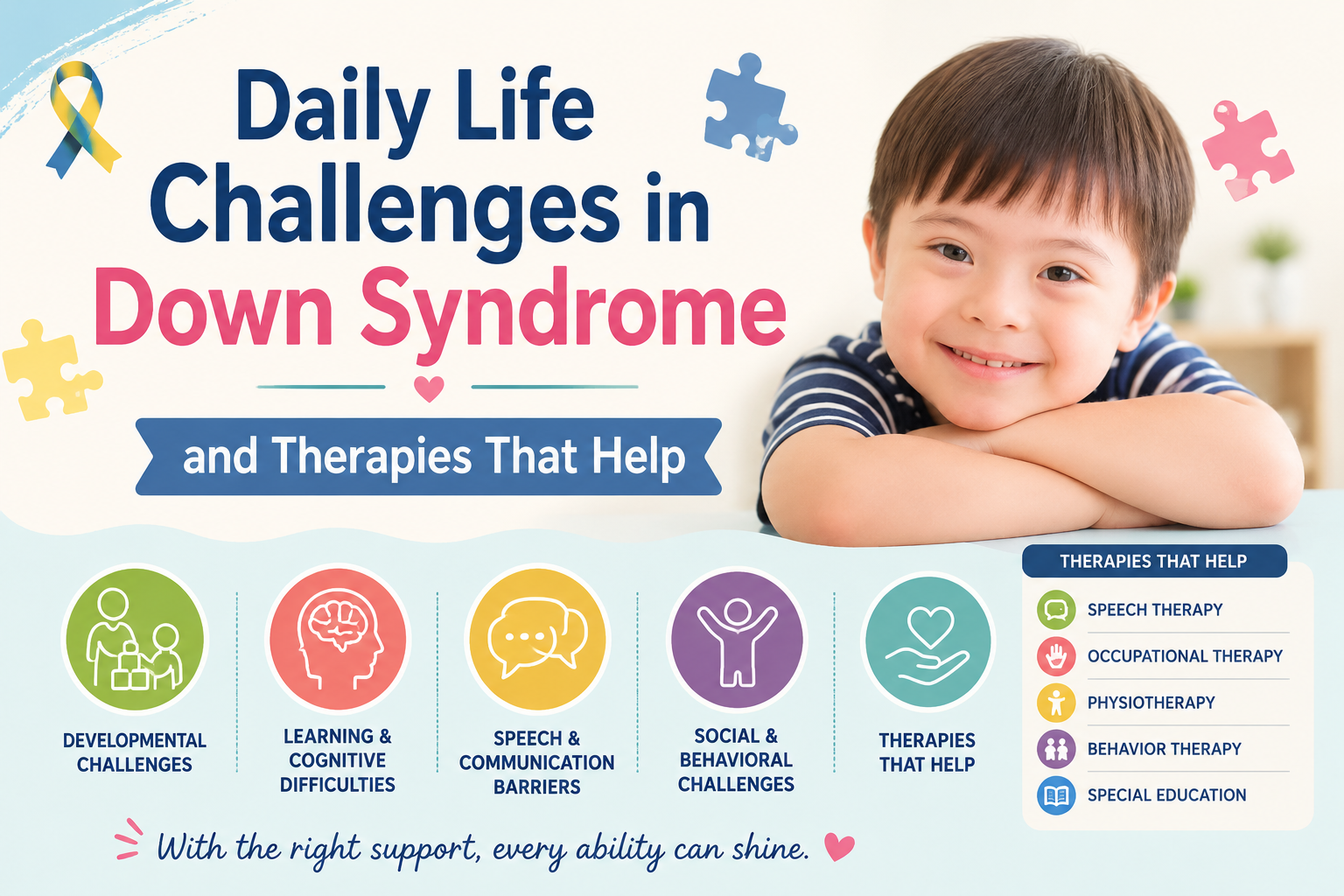
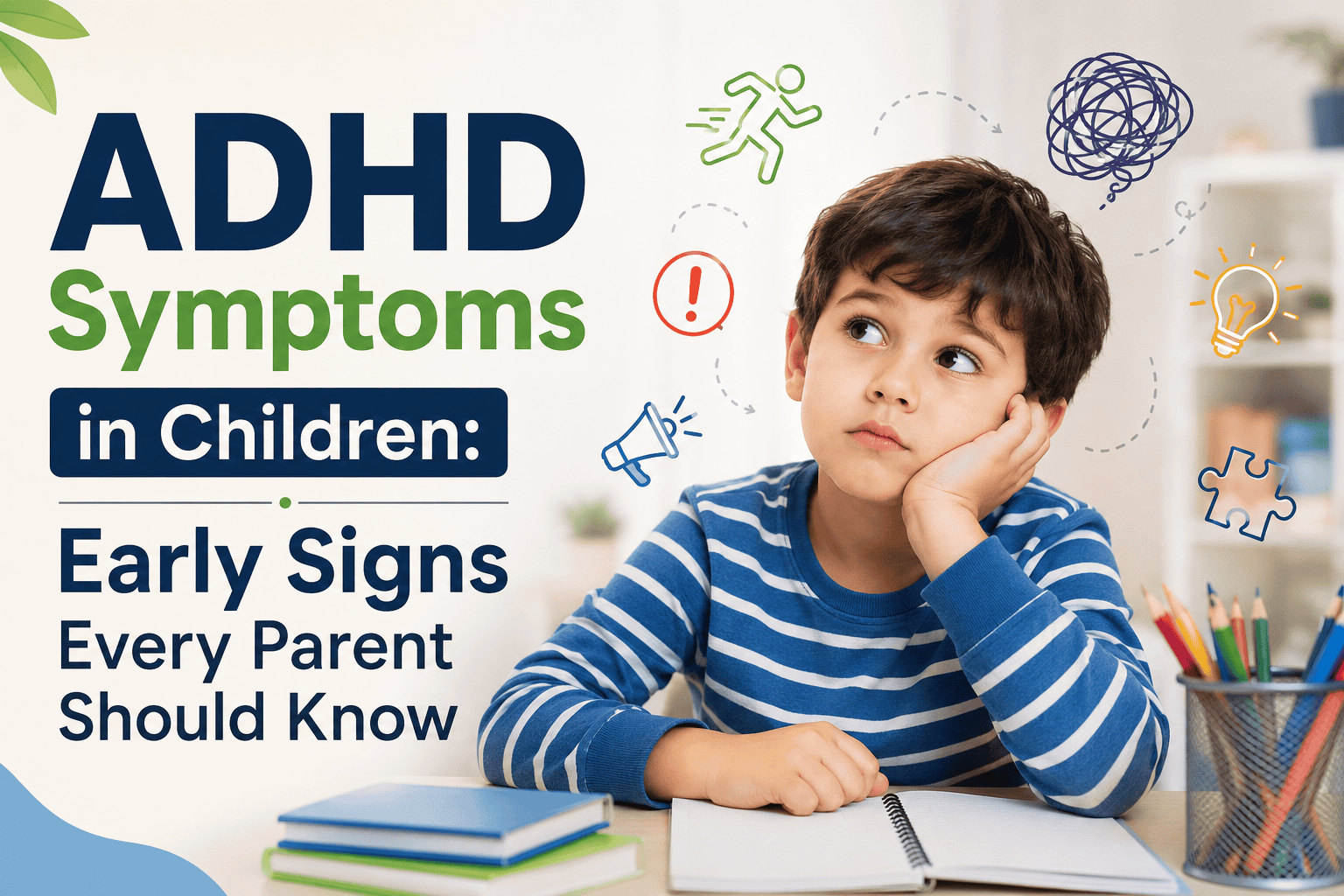
Speech and language difficulties can sometimes occur alongside developmental conditions such as ADHD, autism spectrum disorder, learning disabilities, or hearing impairments. Identifying communication concerns early allows professionals to provide a comprehensive approach to support.
Families seeking speech therapy in Amritsar often discover that addressing communication skills can positively influence other areas of development as well. Improved communication frequently leads to better emotional regulation, stronger relationships, and increased independence.
What Parents Can Do at Home
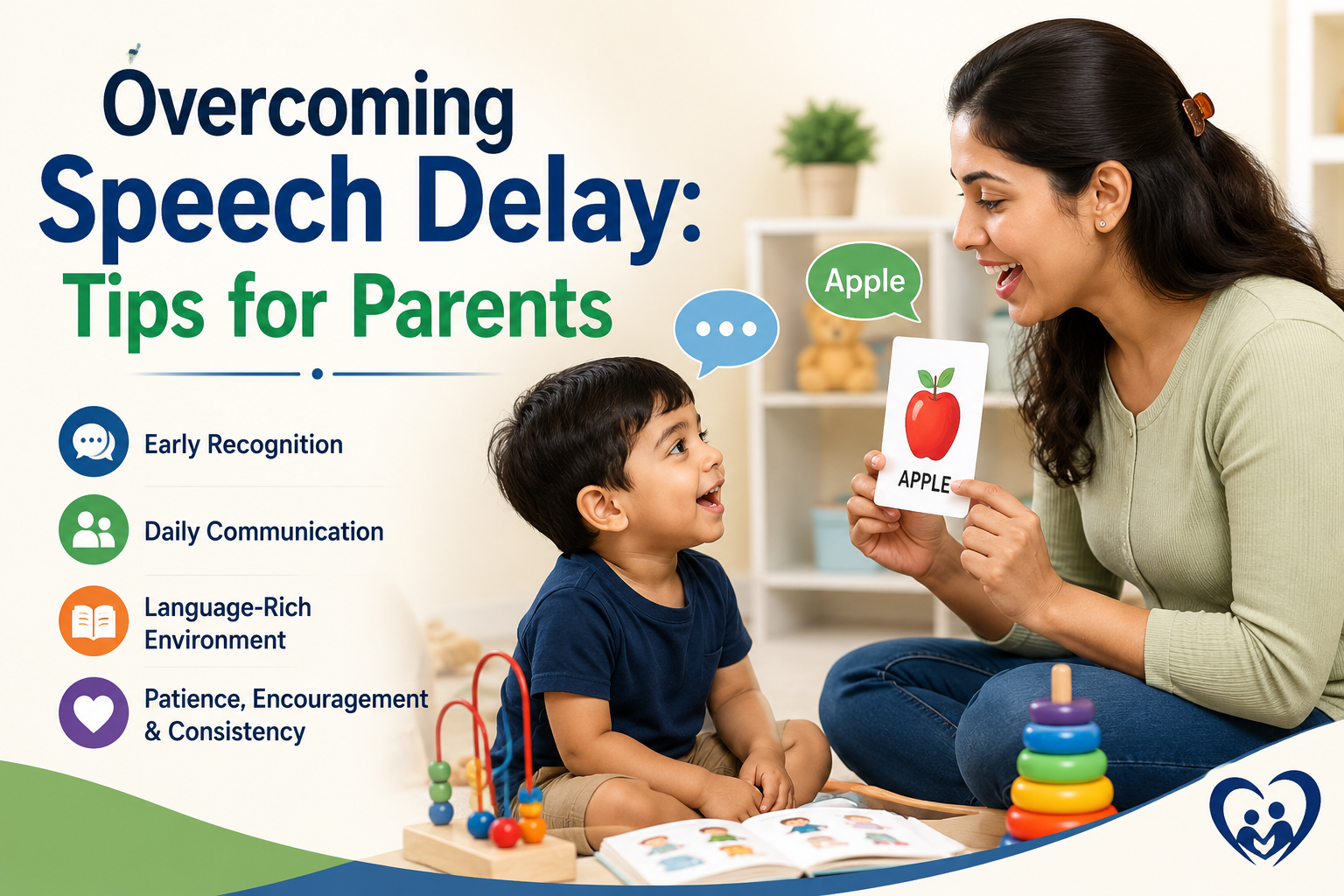
Supporting communication development does not end when therapy sessions are over. Parents can encourage progress by talking regularly with their child, reading books together, asking open-ended questions, and creating opportunities for conversation throughout the day.
Patience is equally important. Every child develops at their own pace, and celebrating small achievements can motivate continued growth.
Many families have found valuable guidance through professional support services such as Global Wellness Amritsar, where multidisciplinary approaches help children strengthen communication and developmental skills in a supportive environment.
When Should You Seek Professional Help?
Parents know their children better than anyone else. If you notice persistent communication difficulties or developmental delays, trust your instincts and seek professional guidance.
Waiting to see if a child will eventually catch up can sometimes delay the support they need. An early assessment provides clarity and helps determine whether intervention is necessary.
Accessing speech therapy in Amritsar at the right time can help children overcome challenges before they significantly affect learning, confidence, and social interactions.
Conclusion
Speech and language skills form the foundation for a child’s success in school, relationships, and everyday life. While every child develops differently, recognizing potential communication difficulties early can make a profound difference. The ten warning signs discussed above provide valuable insight into when professional support may be needed.
Early intervention is not simply about improving speech; it is about empowering children to express themselves, connect with others, and reach their full potential. By taking action when concerns first arise, parents can give their children the best opportunity for long-term success. If you notice ongoing communication challenges, exploring speech therapy in Amritsar may be one of the most important steps you take toward supporting your child’s future growth, confidence, and overall development.