Do you often feel worried, restless, or overwhelmed, even when everything seems fine? You’re not alone. Anxiety is one of the most common mental health concerns today, affecting people of all ages. While occasional anxiety is a normal response to stress, constant or excessive worry that interferes with daily life may be a sign of an anxiety disorder.
The good news is that anxiety is treatable. Seeking timely Anxiety Treatment can help you understand the root cause of your symptoms and regain control over your life. If your symptoms persist or worsen, consulting a Psychiatrist for Anxiety in Ludhiana can provide the professional guidance and care you need.
What Is Anxiety?
Anxiety is the body’s natural response to stress or perceived danger. It activates the “fight or flight” response, preparing you to deal with challenging situations. However, when anxiety becomes persistent, intense, or difficult to control, it can affect your emotional, physical, and social well-being.
Common anxiety disorders include:
- Generalized Anxiety Disorder (GAD)
- Panic Disorder
- Social Anxiety Disorder
- Specific Phobias
- Health Anxiety
- Obsessive-Compulsive Disorder (OCD)
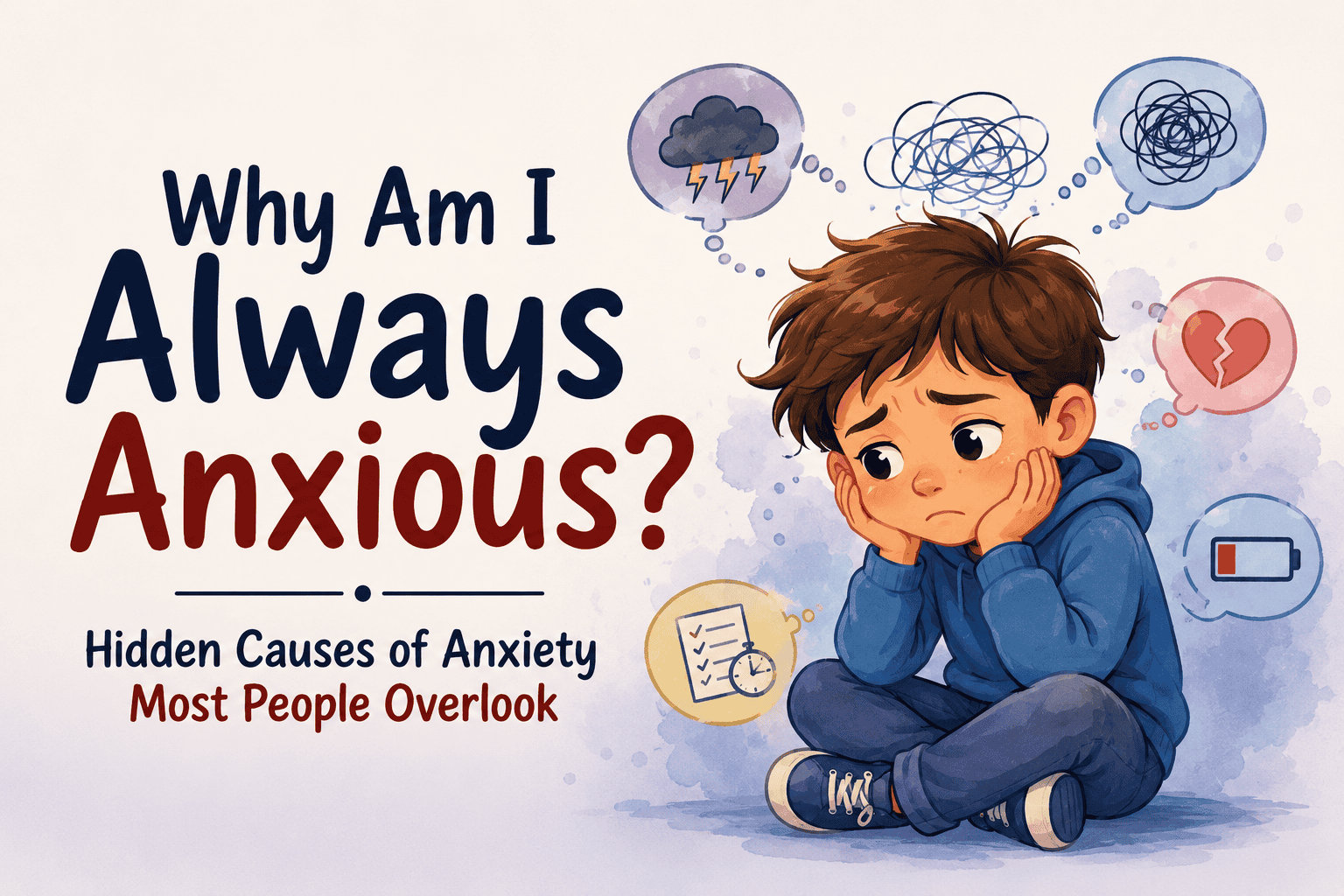
Hidden Causes of Anxiety Most People Ignore
1. Poor Sleep Quality
Sleep and mental health are closely connected. Lack of quality sleep can increase stress hormones, making you feel more anxious during the day.
Common signs include:
- Difficulty falling asleep
- Frequent waking during the night
- Feeling tired despite sleeping
- Racing thoughts before bedtime
2. Excessive Screen Time
Spending hours on social media or constantly checking notifications can increase stress, comparison, and fear of missing out (FOMO). Reducing screen time can improve both mood and mental clarity.
3. Too Much Caffeine
Coffee, energy drinks, and excessive tea consumption may trigger anxiety symptoms such as:
- Rapid heartbeat
- Restlessness
- Sweating
- Nervousness
- Shaking
If you already experience anxiety, reducing caffeine intake may help.
4. Chronic Stress
Long-term stress from work, finances, relationships, or academic pressure keeps your body in a constant state of alertness. Over time, this can contribute to chronic anxiety.
- Hormonal Changes
Hormonal fluctuations during pregnancy, menopause, menstrual cycles, or thyroid disorders can influence mood and increase anxiety levels.
6. Nutritional Deficiencies
Deficiencies in Vitamin D, Vitamin B12, Magnesium, or Iron may contribute to fatigue, mood changes, and increased anxiety in some individuals.
7. Unresolved Emotional Trauma
Past experiences such as childhood trauma, bullying, loss of a loved one, or emotional abuse can continue affecting mental health long after the event has passed.
Common Symptoms of Anxiety
Anxiety affects both the mind and body.
Emotional Symptoms
- Excessive worrying
- Feeling nervous or restless
- Irritability
- Difficulty concentrating
- Feeling overwhelmed
- Fear of losing control
Physical Symptoms
- Rapid heartbeat
- Chest tightness
- Shortness of breath
- Sweating
- Muscle tension
- Dizziness
- Fatigue
- Digestive discomfort
When Should You Seek Professional Help?
Occasional anxiety is normal, but professional support is recommended if:
- Anxiety lasts for several weeks or months.
- It affects your work, studies, or relationships.
- You experience frequent panic attacks.
- Sleep problems become persistent.
- You begin avoiding social situations because of fear or worry.
If these symptoms are affecting your quality of life, consulting a Psychiatrist for Anxiety in Ludhiana can help you receive an accurate diagnosis and an individualized treatment plan.
Effective Anxiety Treatment Options
The right Anxiety Treatment depends on the severity of your symptoms and your overall health. Most treatment plans combine more than one approach to achieve the best results.
Cognitive Behavioral Therapy (CBT)
CBT is one of the most effective therapies for anxiety. It helps identify negative thought patterns and replace them with healthier ways of thinking.
Medication
For moderate to severe anxiety, medication may be recommended by a psychiatrist. Medicines should always be taken under medical supervision.
Lifestyle Changes
Simple daily habits can significantly reduce anxiety:
- Exercise regularly
- Practice meditation or mindfulness
- Get 7–9 hours of quality sleep
- Eat a balanced diet
- Limit caffeine and alcohol
- Spend time outdoors
- Stay connected with family and friends
Can Anxiety Be Managed Successfully?
Yes. With early Anxiety Treatment, many people experience significant improvement in their symptoms and quality of life. Recovery may involve therapy, medication, healthy lifestyle changes, and learning practical coping strategies. Seeking help early often leads to better long-term outcomes.
Tips to Reduce Anxiety Naturally
You can support your mental well-being by:
- Practicing deep breathing exercises daily
- Maintaining a regular sleep schedule
- Staying physically active
- Limiting social media use
- Avoiding excessive caffeine
- Keeping a gratitude journal
- Talking openly with trusted family or friends
- Seeking professional support when needed
Final Thoughts
Anxiety is a common but manageable mental health condition. Recognizing the early signs and understanding the underlying causes can help you take positive steps toward recovery. If your symptoms continue to interfere with your daily life, don’t hesitate to seek professional help.
With the right Anxiety Treatment and guidance from an experienced Psychiatrist for Anxiety in Ludhiana, you can learn to manage anxiety effectively and enjoy a healthier, more balanced life.
Frequently Asked Questions (FAQs)
1. What are the first signs of anxiety?
Early signs include excessive worrying, restlessness, irritability, difficulty concentrating, sleep disturbances, and physical symptoms like a racing heartbeat.
2. Can anxiety cause physical symptoms?
Yes. Anxiety can lead to headaches, chest tightness, dizziness, muscle tension, digestive issues, and fatigue.
3. What is the most effective Anxiety Treatment?
The best Anxiety Treatment depends on the individual’s symptoms and may include Cognitive Behavioral Therapy (CBT), medication, relaxation techniques, and lifestyle modifications.
4. When should I see a psychiatrist for anxiety?
If anxiety persists for weeks, causes panic attacks, or interferes with your work, relationships, or daily activities, you should consult a mental health professional.
5. Can anxiety be cured completely?
Many people successfully manage anxiety with the right treatment and support. Early diagnosis and consistent care can greatly improve long-term outcomes.