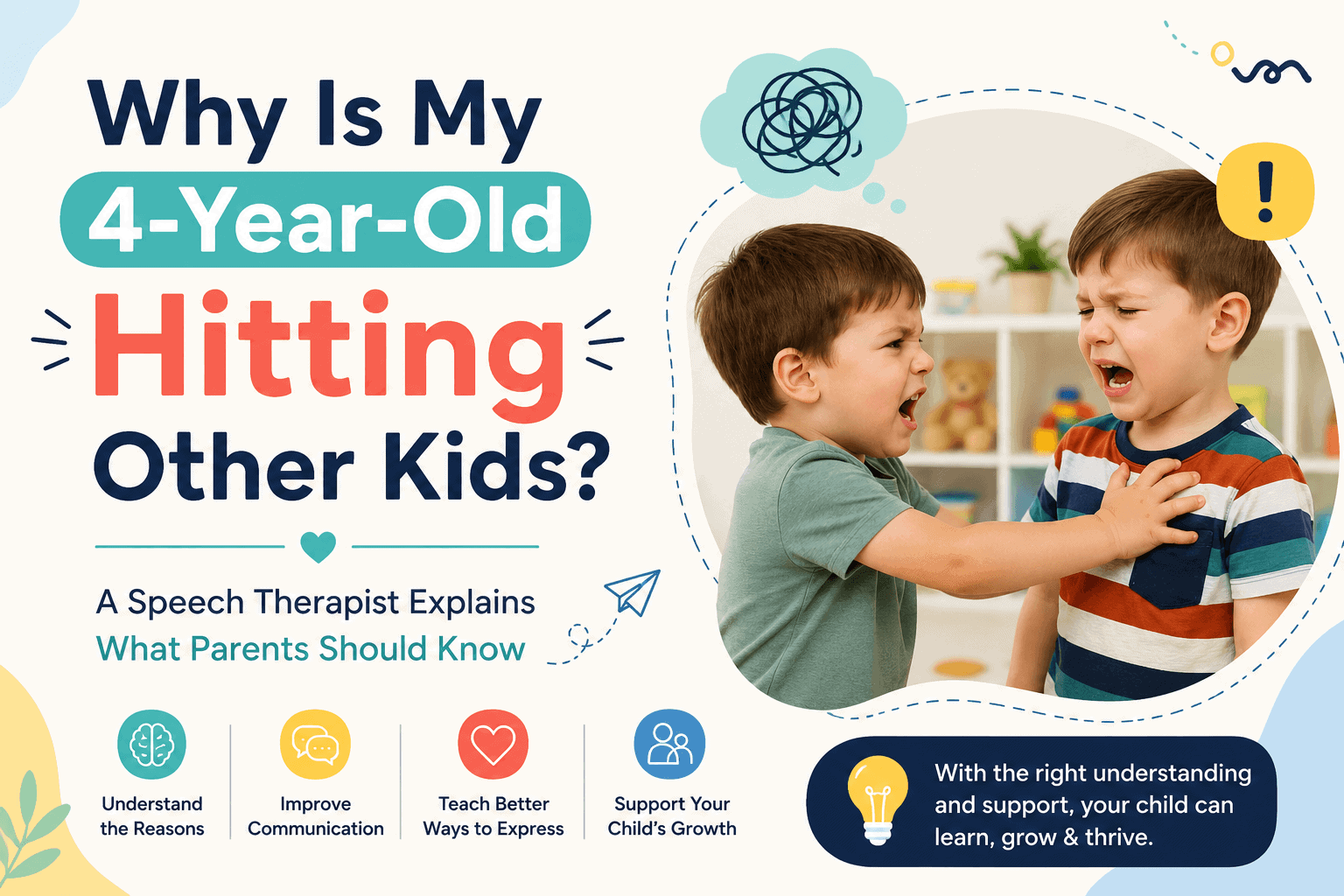
Yesterday, a friend called me almost in tears. Her four-year-old had pushed another child off the slide at the park, right in front of a crowd of parents. She kept asking the same questions:
“Is something wrong with him?”
“Did I do something wrong?”
If you’ve ever found yourself asking these questions after your child hit, pushed, bit, or kicked another child, you’re not alone. Many parents worry that aggressive behavior means something is seriously wrong. In reality, aggression at this age is one of the most common—and most misunderstood—parts of child development.
At Global Wellness Jalandhar, we often reassure parents that these behaviors are usually temporary and can be managed with the right guidance and support.
The Reassurance Every Parent Needs
The first thing to know is this:
No, there is probably nothing “wrong” with your child.
And no, one difficult moment doesn’t mean you’re a bad parent.
Most four-year-olds experience intense emotions that they simply don’t know how to express. Their language, emotional regulation, and problem-solving skills are still developing. When those skills aren’t strong enough, frustration often comes out physically.
This is especially true for children who struggle with communication. Working with an experienced speech therapist in Jalandhar can help children develop the language skills they need to express their feelings instead of acting them out.
What’s Happening Inside a Four-Year-Old’s Brain?
Imagine trying to explain something important while you don’t have the right words.
That’s how many young children feel every day.
At four years old, children:
- Want more independence
- Have strong opinions
- Feel emotions very intensely
- Struggle to control impulses
- Are still learning how to communicate effectively
The brain’s prefrontal cortex—the area responsible for self-control, decision-making, and thinking before acting—is still developing. When a child becomes overwhelmed, their emotional brain reacts much faster than their thinking brain.
That’s why a push or a hit often happens before they even realize what they’re doing.
Common Reasons Four-Year-Olds Become Aggressive
Many aggressive behaviors have simple triggers, including:
- Someone taking their toys
- Being told “No”
- Leaving a favorite activity
- Turning off screens
- Feeling tired or hungry
- Starting preschool
- A new sibling
- Changes at home
- Difficulty expressing thoughts and feelings
For some children, communication challenges make these situations even harder. When they cannot explain what they want, physical reactions become more likely.
This is one reason many parents seek help from a qualified speech therapist in Jalandhar to improve both communication and emotional expression.
When Should Parents Be Concerned?
For most children, hitting or pushing decreases as they mature and develop better communication skills.
However, consider speaking with a healthcare professional if:
- Aggression happens every day in multiple settings.
- Your child seems unconcerned after hurting someone.
- Preschool or daycare reports frequent incidents.
- Aggression is accompanied by sleep problems, regression, or social withdrawal.
- Your instincts tell you something doesn’t feel typical.
Early intervention can make a significant difference.
At Global Wellness, our multidisciplinary team works closely with families to identify the underlying causes of challenging behaviors and provide personalized support.
What Should You Do in the Moment?
When your child is actively upset, long explanations rarely help.
Instead:
- Stay calm.
- Keep everyone safe.
- Use short, simple sentences.
- Avoid yelling or harsh punishment.
You might say:
“I won’t let you hit.”
“You’re angry. I’m here to help.”
Once your child has calmed down, that’s when learning happens.
Teach the Skills They Don’t Yet Have
Children don’t automatically know how to manage frustration.
They need adults to teach them.
Help your child:
- Name their feelings
- Practice asking for help
- Use words instead of hands
- Take deep breaths
- Count to five
- Walk away when frustrated
These skills require repetition.
Don’t expect one conversation to solve the problem.
Praise Positive Behavior
Parents often notice every negative behavior but accidentally overlook the positive ones.
When your child handles frustration appropriately, acknowledge it.
For example:
“You were upset, but you used your words.”
“I noticed you stayed calm even when you were frustrated.”
Positive reinforcement encourages children to repeat healthy behaviors.
Could Communication Difficulties Be Contributing?
Sometimes aggressive behavior isn’t about anger at all.
It’s about communication.
Children with delayed speech or language skills often experience:
- Frustration during play
- Difficulty explaining needs
- Trouble joining conversations
- Challenges making friends
- Emotional outbursts
If your child frequently struggles to express themselves, an evaluation with an experienced speech therapist in Jalandhar can identify communication challenges early and provide strategies to improve language, confidence, and social interactions.
How Global Wellness Jalandhar Supports Children
At Global Wellness Jalandhar, we understand that every child develops differently.
Our experienced team offers comprehensive assessments and personalized therapy programs that support children’s communication, emotional regulation, and overall development.
Whether a child needs speech therapy, behavior management strategies, or developmental guidance, early support helps build confidence and stronger communication skills for the future.
The Most Important Thing to Remember
No parent handles every challenging moment perfectly.
Children don’t need perfect parents—they need calm, supportive adults who keep showing up.
Most children naturally outgrow hitting, pushing, and biting as their language, emotional understanding, and self-control improve.
If today was one of those embarrassing, overwhelming parenting days, take a deep breath.
You’re not failing.
You’re simply helping your child learn skills they haven’t mastered yet.
And if communication challenges seem to be making those emotions even harder to manage, don’t hesitate to seek professional guidance.