When a child is diagnosed with Attention-Deficit/Hyperactivity Disorder (ADHD), many parents feel overwhelmed and unsure about the best treatment options. While medication may be recommended in some cases, behavioral therapy is often one of the most effective ways to help children build essential life skills and manage ADHD symptoms.
Behavioral therapy focuses on teaching children positive behaviors while reducing challenging ones. It also equips parents with practical strategies to support their child’s emotional, social, and academic development. Families looking for ADHD therapy in Jalandhar can benefit from early intervention and evidence-based behavioral support tailored to their child’s unique needs.
In this guide, we’ll explain how behavioral therapy works, its benefits, and how parents can actively participate in their child’s progress.
What Is ADHD?
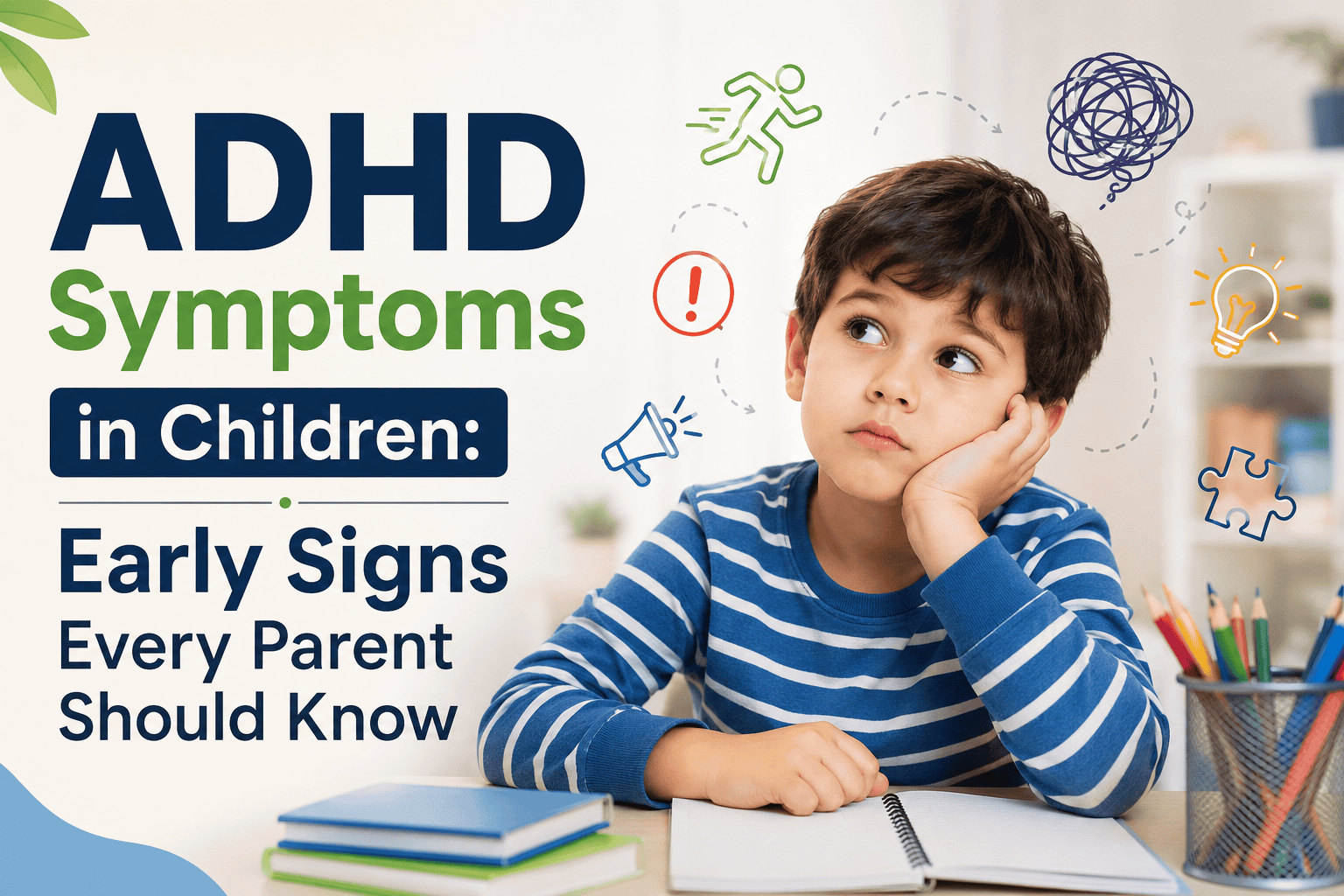
ADHD is a neurodevelopmental condition that affects a child’s ability to focus, stay organized, control impulses, and regulate activity levels. Every child is different, but common symptoms include:
- Difficulty paying attention
- Constant fidgeting or restlessness
- Impulsive decision-making
- Trouble following instructions
- Frequent forgetfulness
- Difficulty completing tasks
- Emotional outbursts or frustration
Without proper support, ADHD can affect school performance, friendships, and family relationships.
What Is Behavioral Therapy?
Behavioral therapy is a structured treatment approach that helps children replace unwanted behaviors with positive, productive ones. Instead of focusing on punishment, therapists encourage desirable behaviors through consistent reinforcement and practical skill-building.
Behavioral therapy also teaches parents how to respond effectively to challenging behaviors at home.
The goal is not to “change” your child’s personality but to help them develop self-control, responsibility, and confidence.
How Behavioral Therapy Helps Children with ADHD
Behavioral therapy addresses many daily challenges experienced by children with ADHD.
1. Improves Attention and Focus
Therapists teach children strategies to:
- Break large tasks into smaller steps
- Improve concentration
- Reduce distractions
- Stay engaged during activities
These techniques help children perform better both at school and at home.
2. Reduces Impulsive Behavior
Children learn to:
- Pause before reacting
- Think through consequences
- Improve decision-making
- Practice self-control
Over time, these skills reduce conflicts with parents, teachers, and peers.
3. Builds Better Daily Routines
Children with ADHD often struggle with organization.
Behavioral therapy introduces:
- Morning routines
- Homework schedules
- Bedtime habits
- Visual reminders
- Reward charts
Consistency helps children become more independent.
4. Strengthens Social Skills
Many children with ADHD find it difficult to:
- Wait their turn
- Listen during conversations
- Share with others
- Handle disagreements
Behavioral therapy uses role-playing and guided practice to improve communication and friendship skills.
5. Improves Emotional Regulation
Children often experience frustration when they cannot control their impulses.
Therapists teach healthy coping strategies such as:
- Deep breathing
- Counting techniques
- Problem-solving skills
- Recognizing emotions
- Asking for help appropriately
These skills reduce emotional outbursts and improve confidence.
Common Behavioral Therapy Techniques
Behavior therapists use several evidence-based strategies.
Positive Reinforcement
Children receive praise, rewards, or tokens when they demonstrate positive behavior.
Examples include:
- Completing homework
- Following instructions
- Sharing with siblings
- Staying seated during meals
Positive reinforcement motivates children to repeat desirable behaviors.
Token Reward Systems
Children earn points or tokens for good behavior that can later be exchanged for rewards.
This encourages consistency and responsibility.
Clear Instructions
Instead of giving multiple commands at once, parents learn to provide:
- Short instructions
- Simple language
- One task at a time
This reduces confusion and increases cooperation.
Consistent Consequences
Behavioral therapy teaches parents to respond calmly and consistently when rules are broken.
Children learn that every behavior has predictable consequences.
Parent Training
One of the most valuable parts of behavioral therapy is helping parents.
Therapists teach parents how to:
- Manage challenging behaviors
- Reinforce positive actions
- Create routines
- Reduce daily conflicts
- Encourage independence
When parents and therapists work together, children make faster progress.
What Parents Can Do at Home
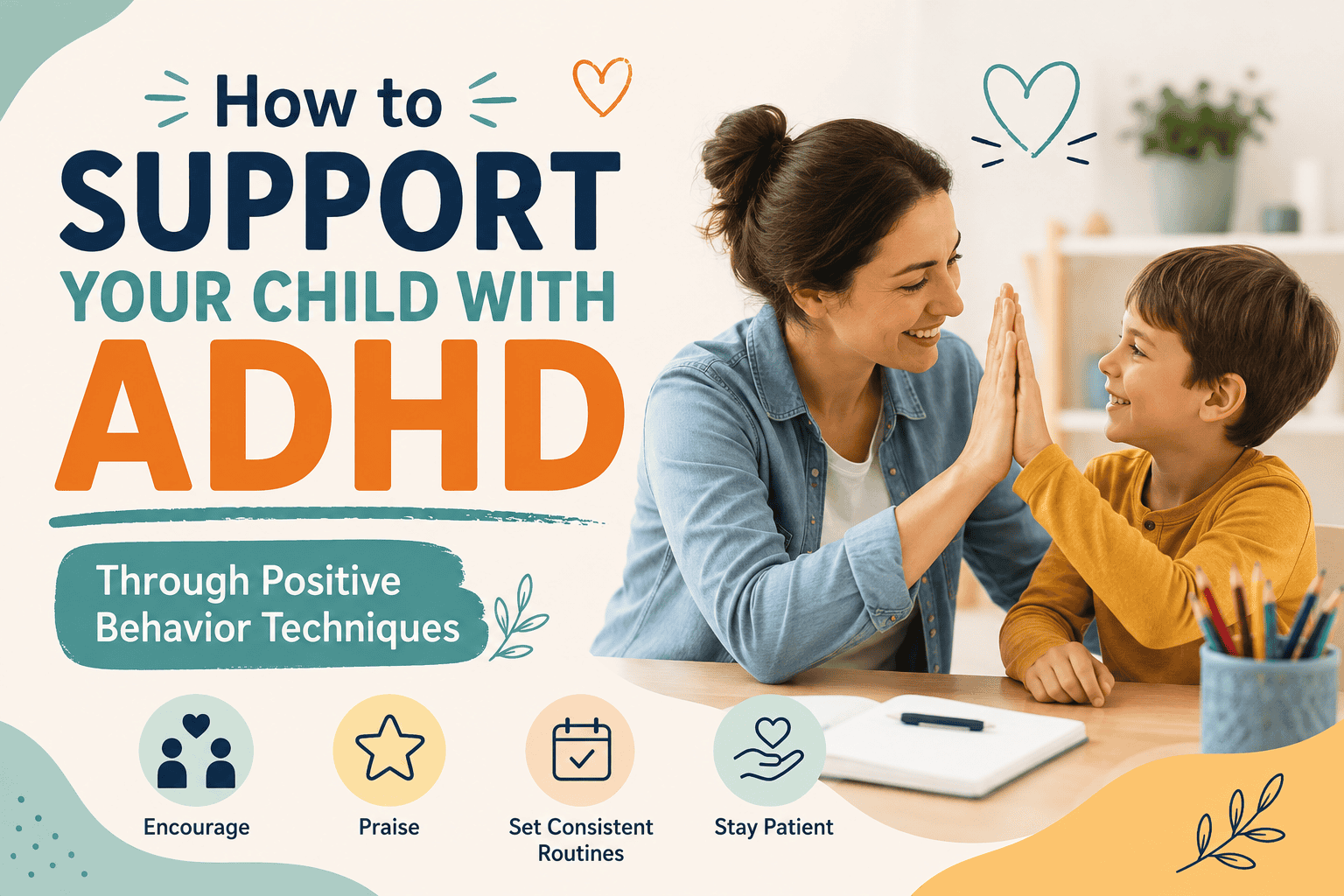
Behavioral therapy works best when parents actively support their child every day.
Here are some helpful strategies:
Maintain a Routine
Children with ADHD benefit from predictable schedules.
Try to keep:
- Wake-up times
- Meals
- Homework
- Playtime
- Bedtime
consistent each day.
Give Positive Attention
Praise effort rather than perfection.
For example:
- “Great job finishing your homework.”
- “I’m proud of how patiently you waited.”
Positive encouragement builds confidence.
Limit Distractions
Create a quiet workspace for studying.
Reduce distractions such as:
- Television
- Mobile phones
- Loud music
- Unnecessary toys
Set Realistic Expectations
Children with ADHD often need extra time to learn new habits.
Celebrate small improvements instead of expecting immediate perfection.
Stay Calm During Difficult Moments
Reacting with anger usually increases challenging behavior.
Instead:
- Stay calm
- Use clear language
- Remind your child of expectations
- Follow through consistently
Does Behavioral Therapy Replace Medication?
Not always.
For many children, behavioral therapy is the first recommended treatment, especially for younger children. In other cases, a healthcare professional may recommend combining behavioral therapy with medication for the best results.
The right treatment plan depends on:
- Age
- Symptom severity
- School performance
- Family circumstances
- Individual needs
Always consult a qualified child psychiatrist or psychologist before making treatment decisions.
When Should Parents Seek Professional Help?
Consider seeking professional support if your child:
- Has ongoing difficulty focusing
- Is extremely impulsive
- Frequently struggles in school
- Has trouble making friends
- Experiences emotional outbursts regularly
- Shows behaviors affecting daily family life
Early intervention often leads to better long-term outcomes. If you’re considering ADHD therapy in Jalandhar, seeking professional guidance at the earliest signs can help your child develop effective coping skills and improve overall well-being.
Benefits of Early Behavioral Therapy
Children who begin behavioral therapy early often experience:
- Improved attention span
- Better classroom behavior
- Increased self-confidence
- Stronger family relationships
- Better emotional control
- Improved academic performance
- Enhanced social interactions
- Greater independence
The earlier therapy begins, the easier it becomes to build positive lifelong habits.
Frequently Asked Questions
Is behavioral therapy effective for ADHD?
Yes. Research shows behavioral therapy is highly effective in helping children improve focus, self-control, emotional regulation, and social skills, especially when parents actively participate.
At what age can behavioral therapy begin?
Behavioral therapy can begin as early as preschool age. Early intervention often provides the greatest long-term benefits.
How long does behavioral therapy take?
The duration varies depending on the child’s needs. Many children attend weekly sessions for several months, while others may benefit from longer-term support.
Can behavioral therapy improve school performance?
Yes. By improving attention, organization, and self-control, many children perform better academically and experience fewer classroom difficulties.
Can parents learn behavioral therapy techniques?
Absolutely. Parent training is an essential part of behavioral therapy and helps reinforce positive behaviors consistently at home.
Final Thoughts
Behavioral therapy is one of the most effective and empowering approaches for managing ADHD in children. It doesn’t simply address symptoms—it teaches lifelong skills that help children succeed at home, in school, and in social situations. With consistent support, structured routines, and positive reinforcement, children with ADHD can develop greater confidence, independence, and emotional resilience.
If you notice persistent signs of ADHD in your child, seeking professional guidance early can make a meaningful difference. At Global Child Wellness Jalandhar, families receive compassionate care and individualized support designed to help children thrive. Whether you’re exploring behavioral therapy for the first time or searching for trusted specialists, Global Child Wellness Jalandhar is committed to supporting your child’s journey toward a healthier and more confident future.