
Mental health is just as important as physical health, yet it is often overlooked—especially in smaller cities where awareness and access to care may be limited. Depressive disorders are among the most common mental health conditions worldwide, affecting millions of people across all age groups. Understanding depression, its causes, symptoms, and treatment options can help individuals and families seek the right support and improve overall well-being.
In growing cities like Moga, awareness around mental health services such as Depressive disorder treatment in Moga, Behavior therapy In Moga, Speech therapist in Moga, and Autism Therapy in Moga: Personalized Care for Better Outcomes is steadily increasing. These services play a vital role in supporting individuals dealing with emotional, behavioral, and developmental challenges.
What Are Depressive Disorders?
Depressive disorders are a group of mental health conditions characterized by persistent feelings of sadness, hopelessness, and a lack of interest or pleasure in daily activities. Unlike temporary mood changes, depression affects how a person thinks, feels, and functions in everyday life.
Common types of depressive disorders include:
- Major Depressive Disorder (MDD)
- Persistent Depressive Disorder (Dysthymia)
- Postpartum Depression
- Seasonal Affective Disorder (SAD)
- Bipolar Depression
Each type varies in severity and duration, but all require attention and proper care.
Common Symptoms of Depressive Disorders
Recognizing the symptoms early can help in seeking timely Depressive disorder treatment in Moga. Symptoms may include:
- Persistent sadness or low mood
- Loss of interest in activities once enjoyed
- Fatigue or lack of energy
- Changes in appetite or weight
- Sleep disturbances (insomnia or oversleeping)
- Difficulty concentrating or making decisions
- Feelings of guilt, worthlessness, or hopelessness
- Irritability or anger
- Thoughts of self-harm or suicide
If these symptoms last for more than two weeks, it is important to seek professional help.
Causes of Depressive Disorders
Depression does not have a single cause. It usually develops due to a combination of factors:
1. Biological Factors
Chemical imbalances in the brain, especially involving neurotransmitters like serotonin and dopamine, can contribute to depression.
2. Genetic Factors
A family history of depression may increase the risk.
3. Psychological Factors
Low self-esteem, trauma, or chronic stress can trigger depressive episodes.
4. Environmental Factors
Life events such as loss, financial stress, relationship issues, or major life changes can lead to depression.
Importance of Early Diagnosis and Treatment
Early diagnosis plays a crucial role in recovery. Many individuals ignore symptoms or delay seeking help due to stigma. However, professional care like Depressive disorder treatment in Moga can significantly improve quality of life.
Treatment not only reduces symptoms but also helps individuals regain control over their emotions, relationships, and daily functioning.
Treatment Options for Depressive Disorders
There are several effective treatments available, and the best approach often involves a combination of therapies.
1. Psychotherapy
Psychotherapy, also known as talk therapy, is one of the most effective treatments for depression.
Cognitive Behavioral Therapy (CBT)
CBT helps individuals identify negative thought patterns and replace them with healthier ones.
Interpersonal Therapy (IPT)
Focuses on improving relationships and communication skills.
2. Medication
Antidepressant medications may be prescribed in moderate to severe cases. These help balance brain chemicals and improve mood.
3. Behavior Therapy In Moga
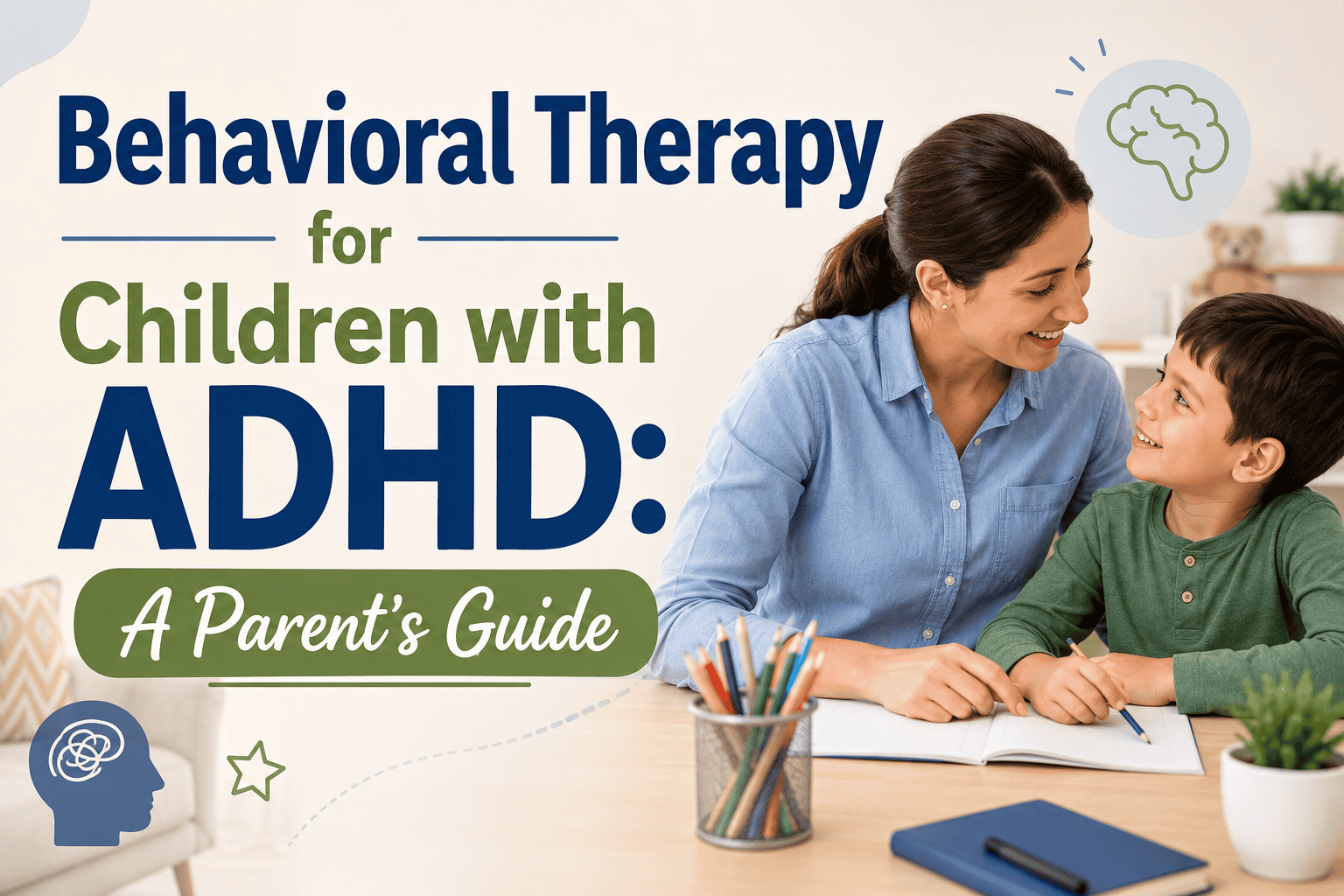
Behavior therapy In Moga is widely used to help individuals change harmful behaviors and develop healthier coping strategies. It focuses on:
- Building positive habits
- Reducing negative behaviors
- Improving emotional regulation
Behavior therapy is particularly helpful for children, adolescents, and individuals with co-occurring conditions like anxiety or developmental disorders.
4. Lifestyle Changes
Simple lifestyle adjustments can complement medical treatment:
- Regular exercise
- Healthy diet
- Proper sleep
- Stress management techniques (yoga, meditation)
Role of Family and Community Support
Support from family members and friends is essential in managing depression. Encouragement, understanding, and open communication can make a significant difference.
In cities like Moga, community awareness about mental health is growing, making it easier for individuals to access services like Depressive disorder treatment in Moga and counseling support.
Connection Between Depression and Developmental Disorders
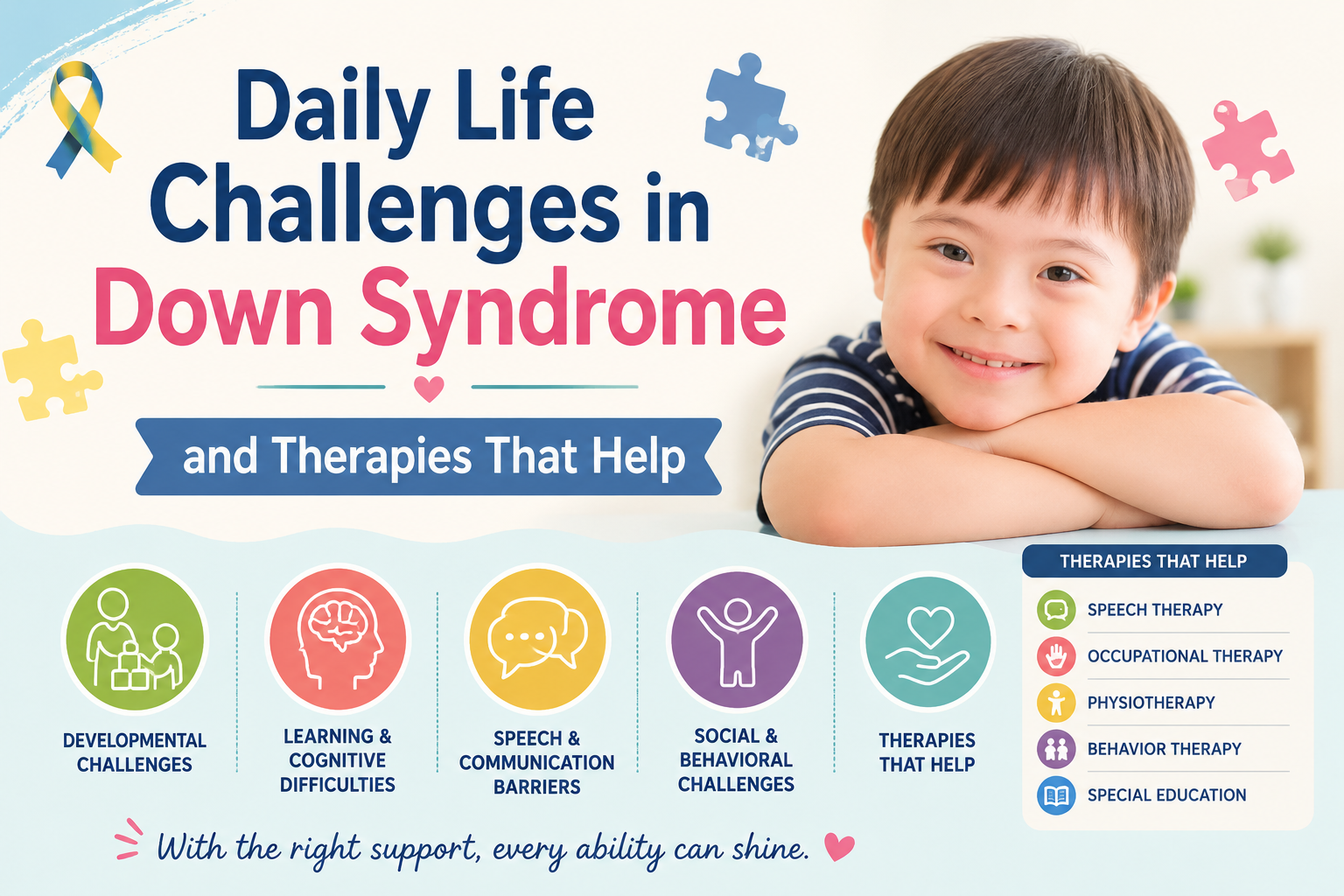
Depression can sometimes co-exist with developmental or communication disorders, especially in children. This is where services like Speech therapist in Moga and Autism Therapy in Moga: Personalized Care for Better Outcomes become important.
Speech therapist in Moga
Children with speech and language difficulties may experience frustration, low confidence, and social challenges, which can contribute to emotional issues. A Speech therapist in Moga helps improve:
- Communication skills
- Language development
- Social interaction
Improved communication often leads to better emotional expression and reduced behavioral concerns.
Autism Therapy in Moga: Personalized Care for Better Outcomes
Children with autism may face challenges in communication, behavior, and social interaction. Autism Therapy in Moga: Personalized Care for Better Outcomes focuses on:
- Individualized treatment plans
- Behavioral interventions
- Social skill development
- Parent training and support
Early intervention through autism therapy not only improves developmental outcomes but also reduces the risk of emotional issues like anxiety and depression later in life.
How Behavior Therapy Supports Mental Health
Behavior therapy is not limited to depression alone. It is also effective for:
- Anxiety disorders
- ADHD
- Autism spectrum disorders
- Behavioral challenges in children
By addressing patterns of behavior, Behavior therapy In Moga helps individuals develop coping mechanisms that improve overall mental health.
Overcoming Stigma Around Mental Health
One of the biggest barriers to seeking help is stigma. Many people hesitate to talk about depression due to fear of judgment. However, mental health conditions are medical issues—just like physical illnesses—and deserve proper treatment.
Increasing awareness about services like Depressive disorder treatment in Moga, Speech therapist in Moga, and Behavior therapy In Moga is helping break this stigma and encouraging more people to seek help.
Tips for Managing Depressive Disorders
While professional treatment is essential, individuals can take small steps to manage symptoms:
- Stay connected with loved ones
- Set realistic goals
- Practice mindfulness and relaxation techniques
- Avoid alcohol and substance abuse
- Seek professional help when needed
Consistency and patience are key to recovery.
When to Seek Professional Help
It is important to consult a mental health professional if:
- Symptoms persist for more than two weeks
- Daily functioning is affected
- There are thoughts of self-harm
- Emotional distress becomes overwhelming
Early intervention through Depressive disorder treatment in Moga can prevent the condition from worsening and improve long-term outcomes.
Future of Mental Health Care in Moga
Moga is witnessing a positive shift in mental health awareness and services. With increasing access to professionals offering Behavior therapy In Moga, Speech therapist in Moga, and Autism Therapy in Moga: Personalized Care for Better Outcomes, individuals and families now have better opportunities for care and support.
The focus is gradually moving toward holistic treatment—addressing emotional, behavioral, and developmental needs together.
Conclusion
Depressive disorders are serious but treatable conditions. With the right combination of therapy, medication, and support, individuals can lead fulfilling and meaningful lives.
Access to services like Depressive disorder treatment in Moga, Behavior therapy In Moga, Speech therapist in Moga, and Autism Therapy in Moga: Personalized Care for Better Outcomes ensures that individuals receive comprehensive care tailored to their needs.
Seeking help is not a sign of weakness—it is the first step toward healing and a better future.
FAQs
1. What are depressive disorders?
Depressive disorders are mental health conditions characterized by persistent sadness, loss of interest, and emotional distress that affects daily life.
2. Where can I find Depressive disorder treatment in Moga?
You can find professional mental health clinics and therapists offering Depressive disorder treatment in Moga with personalized care plans.
3. How does Behavior therapy In Moga help with depression?
Behavior therapy In Moga helps individuals identify negative behaviors and replace them with healthier coping strategies, improving emotional well-being.
4. When should I consult a Speech therapist in Moga?
If a child has difficulty speaking, understanding language, or communicating effectively, consulting a Speech therapist in Moga is recommended.
5. What is Autism Therapy in Moga: Personalized Care for Better Outcomes?
It is a specialized therapy approach designed to support children with autism through individualized treatment plans, improving communication, behavior, and social skills.
6. Can depression be cured?
Depression is treatable. With proper therapy, medication, and support, individuals can manage symptoms and lead a normal life.
7. Is therapy effective for depressive disorders?
Yes, therapies like CBT and Behavior therapy In Moga are highly effective in treating depression and improving mental health.