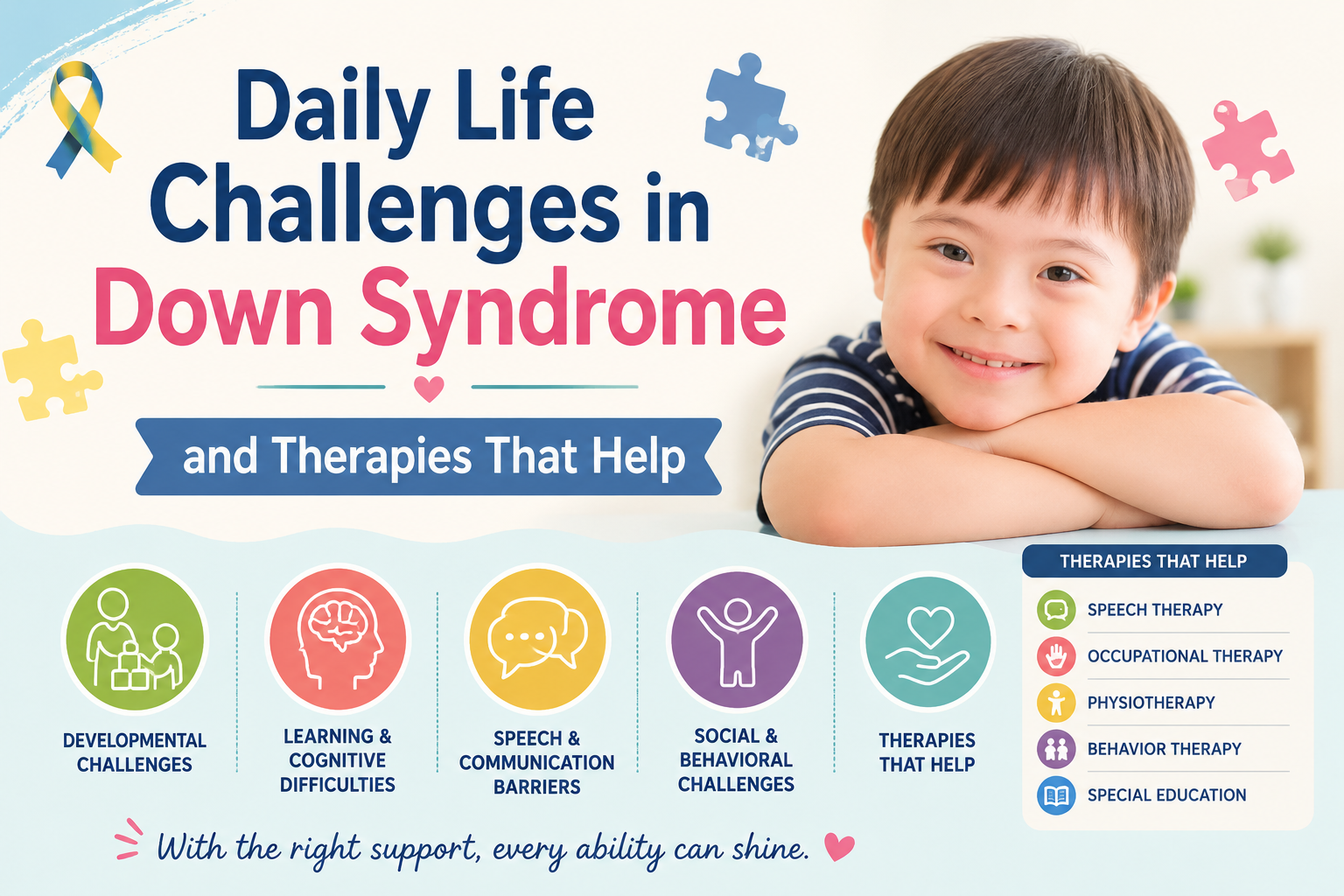
Finding the right autism therapy center can be one of the most important decisions parents make after their child is diagnosed with Autism Spectrum Disorder (ASD). Early intervention and the right combination of therapies can help children improve communication, social interaction, behavior, and daily living skills.
For many children with autism, communication challenges are a major concern. This is why speech therapy often plays a crucial role in their developmental journey. However, not every therapy center offers the same quality of care, expertise, or individualized support.
This parent-friendly checklist will help you choose the best autism therapy center that provides effective autism intervention and speech therapy services.
Why the Right Autism Therapy Center Matters
Every child with autism has unique strengths and challenges. Some children may struggle with verbal communication, while others may face difficulties with social interaction, sensory processing, or behavior management.
A quality autism therapy center should provide personalized treatment plans that address your child’s specific needs. The goal is not simply to manage symptoms but to help children develop the skills they need to become more independent and confident.
Parent’s Checklist for Choosing an Autism Therapy Center
1. Check the Qualifications of the Therapy Team
The success of autism intervention largely depends on the expertise of the professionals working with your child.
Look for a center that has:
- Behavior therapists
- Speech-language therapists
- Occupational therapists
- Child psychologists
- Special educators
- Child psychiatrists (if needed)
Experienced professionals can identify developmental challenges early and create effective intervention plans.
2. Ensure Speech Therapy Services Are Available
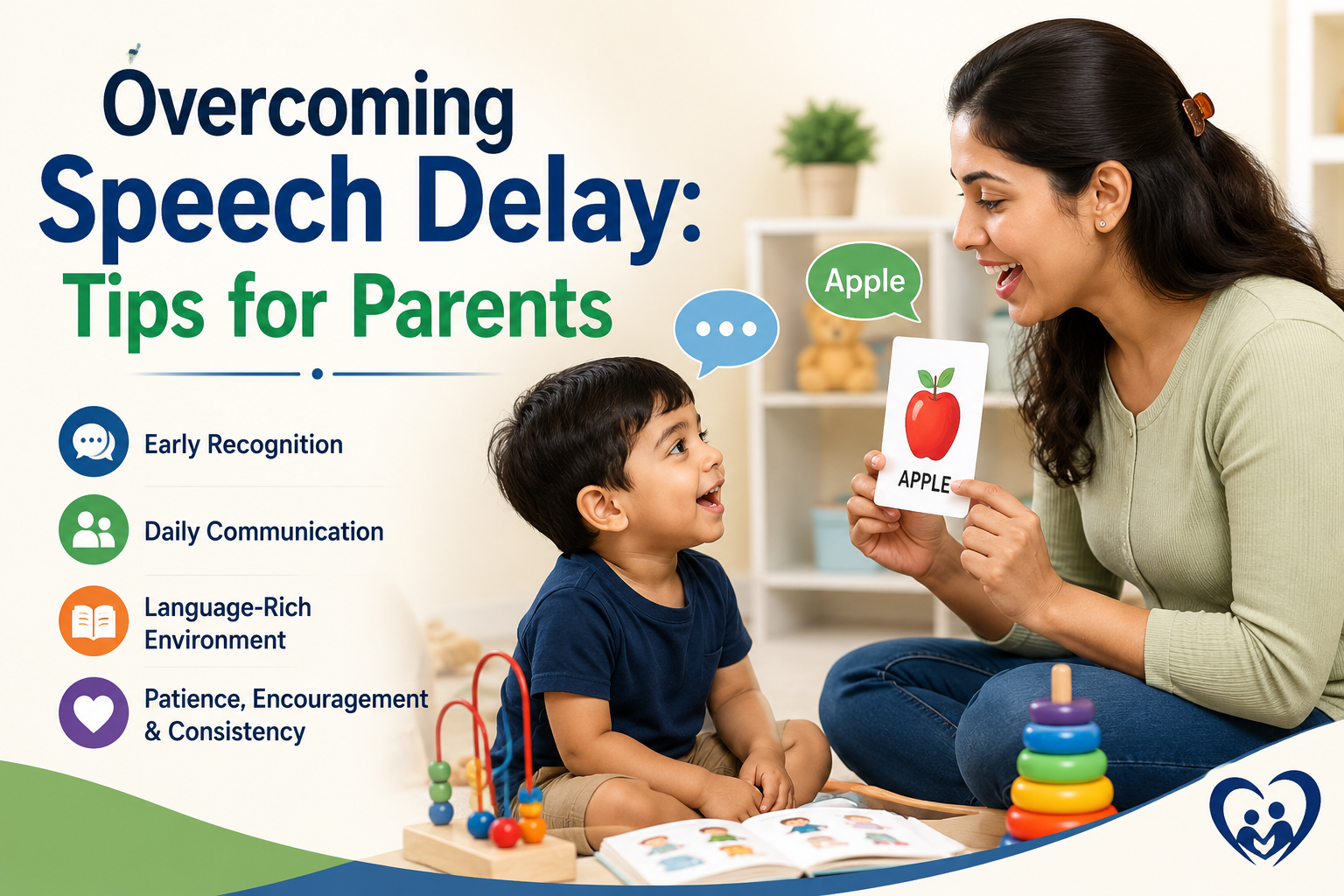
Communication difficulties are common among children with autism. Therefore, access to high-quality speech therapy is essential.
Ask the center:
- Does it provide speech therapy for autism?
- How are communication goals assessed?
- Do therapists work on language development, social communication, and articulation skills?
- How is progress measured?
A skilled speech therapist can help children improve verbal and non-verbal communication, understand language, and develop meaningful social interactions.
3. Look for Individualized Therapy Programs
No two children with autism are exactly alike. A therapy center should never use the same treatment plan for every child.
A good center will:
- Conduct comprehensive assessments
- Identify developmental strengths and challenges
- Set measurable goals
- Regularly update therapy plans
Personalized therapy leads to better outcomes and more meaningful progress.
4. Ask About Evidence-Based Autism Interventions
Choose a center that uses scientifically supported methods for autism treatment.
Effective autism interventions may include:
- Behavior Therapy
- Speech Therapy
- Occupational Therapy
- Social Skills Training
- Sensory Integration Activities
- Parent Training Programs
Evidence-based therapies provide structured support that helps children develop practical life skills.
5. Evaluate the Therapy Environment
Children learn best in environments where they feel comfortable and secure.
When visiting an autism therapy center, observe whether it is:
- Clean and organized
- Safe for children
- Child-friendly
- Equipped with therapy materials
- Structured yet welcoming
A positive environment can improve engagement and learning outcomes.
6. Assess Parent Involvement
Parents play a critical role in the success of autism therapy.
The best therapy centers:
- Share regular progress updates
- Provide home-based strategies
- Encourage parent participation
- Offer guidance and counseling
When parents and therapists work together, children often make faster and more sustainable progress.
7. Monitor Progress Regularly
Progress should be measurable and transparent.
Ask:
- How often are therapy goals reviewed?
- Will parents receive written reports?
- How is speech therapy progress tracked?
- What milestones should we expect?
A professional center should continuously evaluate outcomes and adjust therapy plans as needed.
8. Consider the Therapist-to-Child Ratio
Individual attention is extremely important for children with autism.
Smaller therapist-to-child ratios can provide:
- Better engagement
- More personalized instruction
- Improved communication opportunities
- Stronger therapist-child relationships
Children often benefit from one-on-one sessions, particularly during speech therapy and behavior intervention.
9. Read Parent Reviews and Testimonials
Reviews from other parents can provide valuable insights.
Look for feedback about:
- Improvement in communication skills
- Progress in speech therapy
- Professionalism of therapists
- Child-friendly environment
- Parent support and guidance
Positive experiences from other families often indicate quality care.
10. Consider Location and Accessibility
Consistency is essential in autism intervention.
Choose a therapy center that is:
- Easy to reach
- Conveniently located
- Flexible with appointments
- Able to provide regular sessions
Frequent attendance helps children maintain progress and build therapeutic relationships.
Red Flags to Watch For
Be cautious if a center:
- Promises a “cure” for autism
- Guarantees immediate results
- Does not provide progress reports
- Avoids parent involvement
- Lacks qualified speech therapists
- Cannot explain its treatment methods
Quality autism therapy focuses on skill development, communication, independence, and long-term growth.
Questions Every Parent Should Ask
Before enrolling your child, ask:
- How do you assess children with autism?
- What speech therapy services do you offer?
- How are therapy goals created?
- How often is progress reviewed?
- How do parents participate in therapy?
- What qualifications do your therapists have?
- How do you support communication development?
- Can I observe a therapy session?
The answers can help you determine whether the center is the right fit for your child.
Final Thoughts
Choosing the right autism therapy center requires careful research and thoughtful decision-making. The best centers provide comprehensive autism intervention, personalized care, experienced professionals, and effective speech therapy services.
When selecting a center, focus on expertise, individualized treatment plans, parent involvement, and measurable outcomes. With the right support, children with autism can develop stronger communication skills, improve social interactions, and achieve greater independence.
Early intervention, consistent speech therapy, and a supportive therapeutic environment can make a significant difference in helping children reach their full potential.