Many parents of children with Autism Spectrum Disorder (ASD) often wonder whether sugar affects their child’s behavior. You may have heard that eliminating sugar can reduce hyperactivity, improve focus, or decrease meltdowns. But is this really true?
The relationship between sugar and autism is more complex than many people think. While sugar does not cause autism, some children with autism may respond differently to sugary foods due to their unique sensory preferences, eating habits, or individual health conditions.
In this blog, we’ll explore what current research says about sugar, why limiting added sugar can be beneficial, and how parents can make healthier dietary choices for their children.
Does Sugar Cause Autism?
The simple answer is no.
There is no scientific evidence that sugar causes Autism Spectrum Disorder. Autism is a neurodevelopmental condition influenced by a combination of genetic and environmental factors. Diet alone does not cause or cure autism.
However, nutrition plays an important role in supporting a child’s overall health, energy levels, and well-being.
Why Do Some Experts Recommend Limiting Sugar?
Although sugar doesn’t cause autism, many healthcare professionals recommend reducing added sugar in a child’s diet for several reasons.
1. Sugar May Affect Energy Levels
Some children experience rapid changes in energy after consuming large amounts of sugary foods or drinks. While research has not consistently shown that sugar causes hyperactivity, some parents report noticing temporary increases in restlessness or impulsive behavior in their own children.
Every child is different, and individual responses can vary.
2. Children with Autism Often Have Selective Eating Habits
Many autistic children prefer foods that are:
- Sweet
- Soft
- Crunchy
- Highly processed
As a result, they may consume more sugary snacks, cookies, candies, or sweetened beverages while refusing healthier foods like vegetables, fruits, or proteins.
Over time, this can lead to nutritional deficiencies.
3. Too Much Sugar Can Affect Overall Health
Excessive sugar intake may contribute to:
- Tooth decay
- Weight gain
- Poor nutrition
- Increased risk of obesity
- Energy crashes during the day
These health concerns can affect any child, including those with autism.
4. Stable Blood Sugar Supports Better Daily Functioning
Meals that contain protein, healthy fats, fiber, and whole grains help maintain more stable blood sugar levels.
Stable energy levels may help children stay comfortable throughout the day, although this is not a treatment for autism itself.
5. Gut Health May Be a Concern for Some Children
Many autistic children experience digestive issues such as:
- Constipation
- Bloating
- Stomach discomfort
A diet high in sugary processed foods may contribute to poorer overall diet quality. Eating a balanced diet rich in fruits, vegetables, and fiber can support digestive health.
However, parents should consult a healthcare professional before making significant dietary changes.
What Does Research Say?
Scientific studies have not proven that removing sugar improves the core symptoms of autism.
Some families report behavioral improvements after reducing added sugar, while others notice little or no difference. These differences may be related to the child’s overall diet, sleep, routine, or other individual factors rather than sugar alone.
Researchers continue to study how nutrition may influence health and quality of life in children with autism.
Healthy Alternatives to Sugary Foods
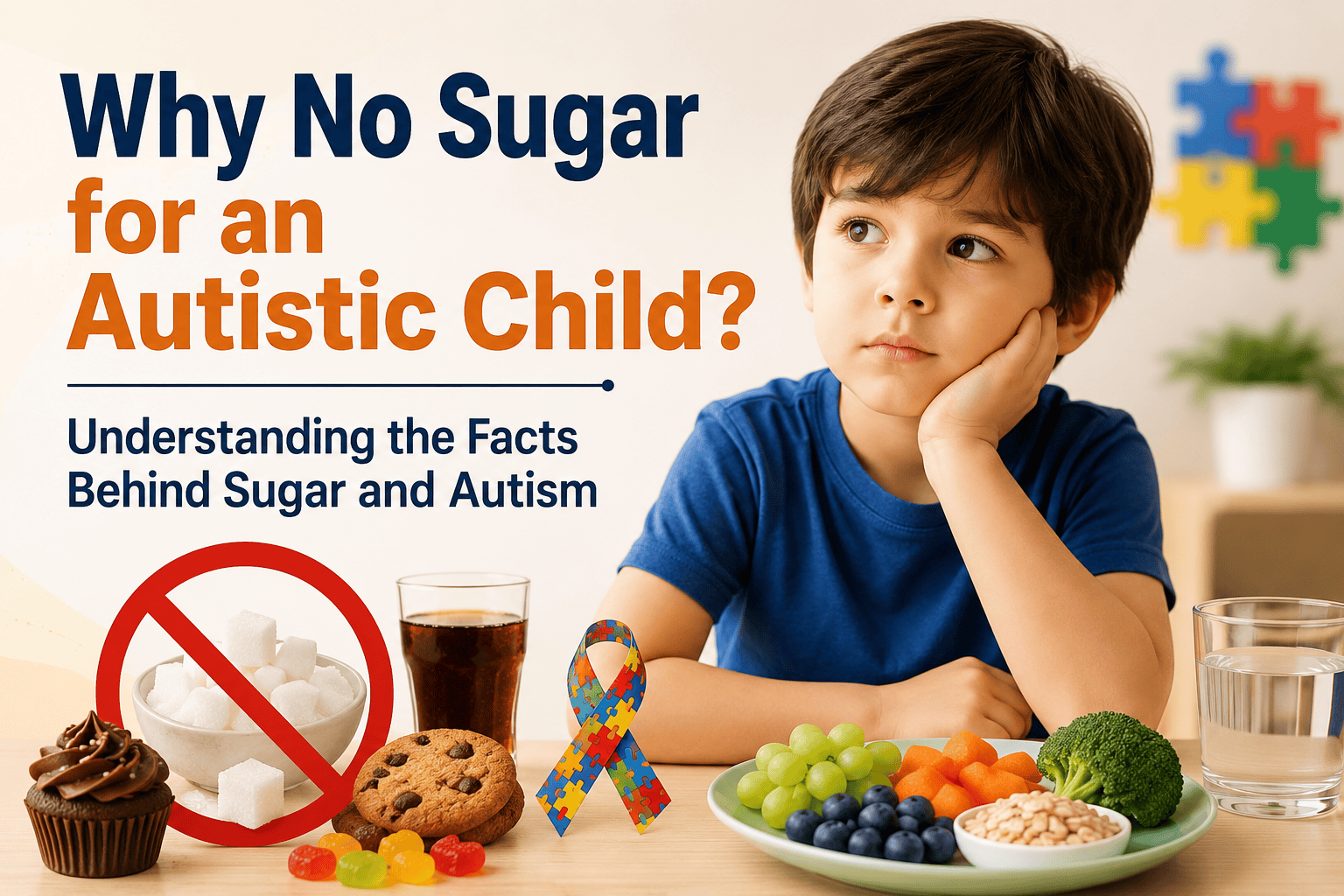
Instead of processed sweets, consider offering healthier options such as:
- Fresh fruits
- Plain yogurt with fruit
- Homemade smoothies without added sugar
- Nuts (if age-appropriate and safe)
- Whole-grain snacks
- Cheese cubes
- Peanut butter with apple slices
- Oat-based snacks
These foods provide important nutrients while helping reduce excessive added sugar intake.
Tips for Parents
If you’re trying to reduce sugar in your child’s diet:
- Make changes gradually instead of eliminating sugar overnight.
- Read nutrition labels to identify added sugars.
- Offer healthy snacks consistently.
- Avoid using sweets as rewards.
- Encourage drinking water instead of sugary beverages.
- Maintain regular meal and snack times.
- Work with a pediatrician or registered dietitian if your child has a very limited diet.
Small, consistent changes are often easier for children to accept.
Should You Completely Eliminate Sugar?
In most cases, no.
Natural sugars found in fruits, milk, and other whole foods are part of a healthy diet. The focus should be on limiting added sugars found in:
- Candy
- Soft drinks
- Packaged desserts
- Sweetened cereals
- Cakes and pastries
- Sugary snacks
A balanced diet is generally more beneficial than strict food restrictions unless a healthcare provider recommends otherwise.
The Importance of a Holistic Approach
Diet is only one part of supporting a child with autism. Many children benefit from a comprehensive care plan that may include:
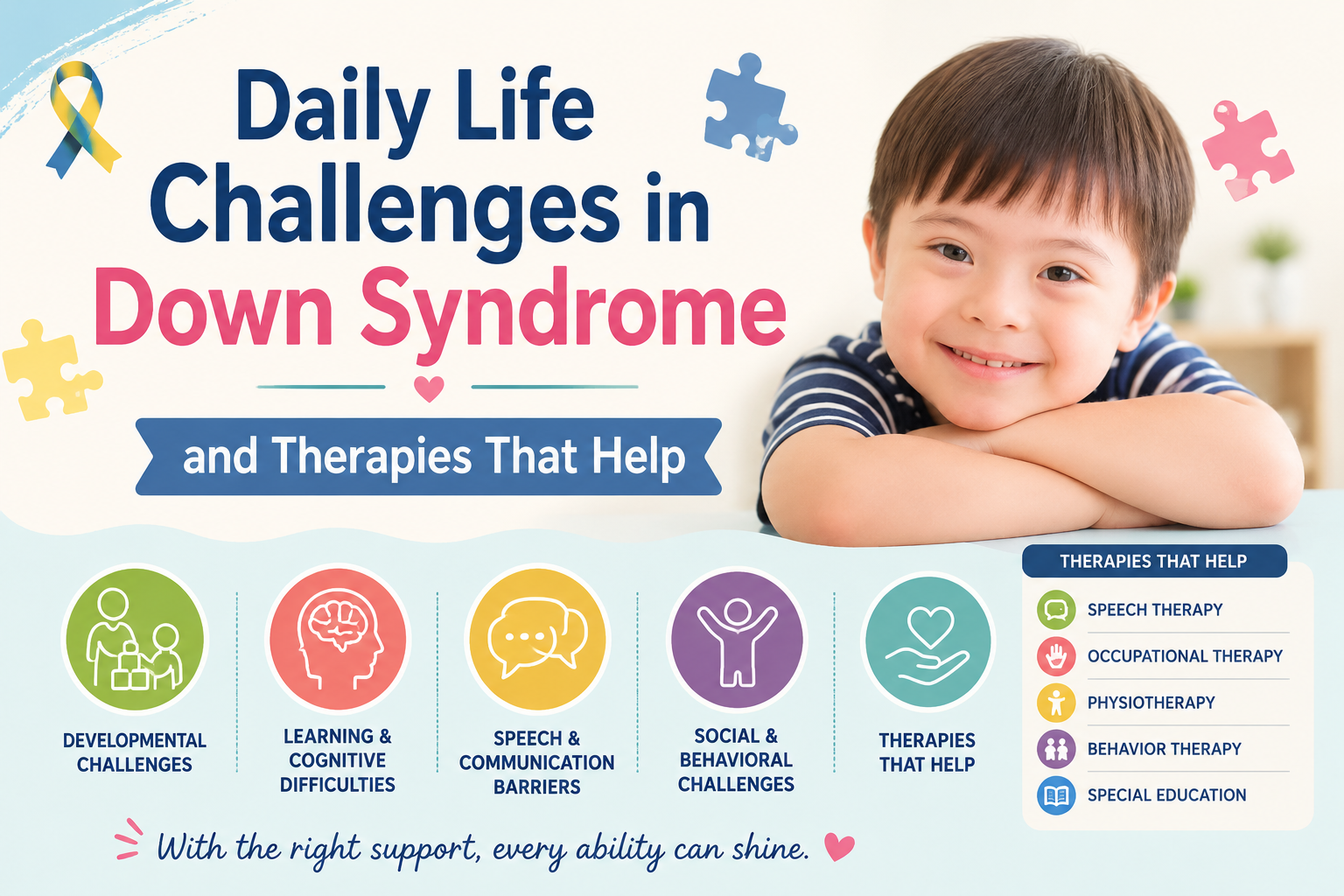
- Speech therapy
- Occupational therapy
- Behavioral therapy
- Special education support
- Parent training and guidance
- Regular developmental assessments
These evidence-based interventions can help children build communication, social, and daily living skills.
Final Thoughts
Sugar does not cause autism, and there is no strong scientific evidence that removing sugar alone will treat autism symptoms. However, reducing added sugar can support better overall health, improve nutrition, and encourage healthier eating habits. Families seeking support from an Autism Centre in Malout can also receive professional guidance on nutrition and therapies tailored to their child’s developmental needs.
Every autistic child is unique. If you’re considering dietary changes, it’s best to discuss them with your child’s pediatrician or a registered dietitian, especially if your child has food selectivity or nutritional concerns. The goal is not perfection but creating healthy eating habits that support your child’s growth, development, and overall well-being. Along with healthy nutrition, working with a qualified Speech therapist in Malout can help improve communication skills and support your child’s overall progress.